
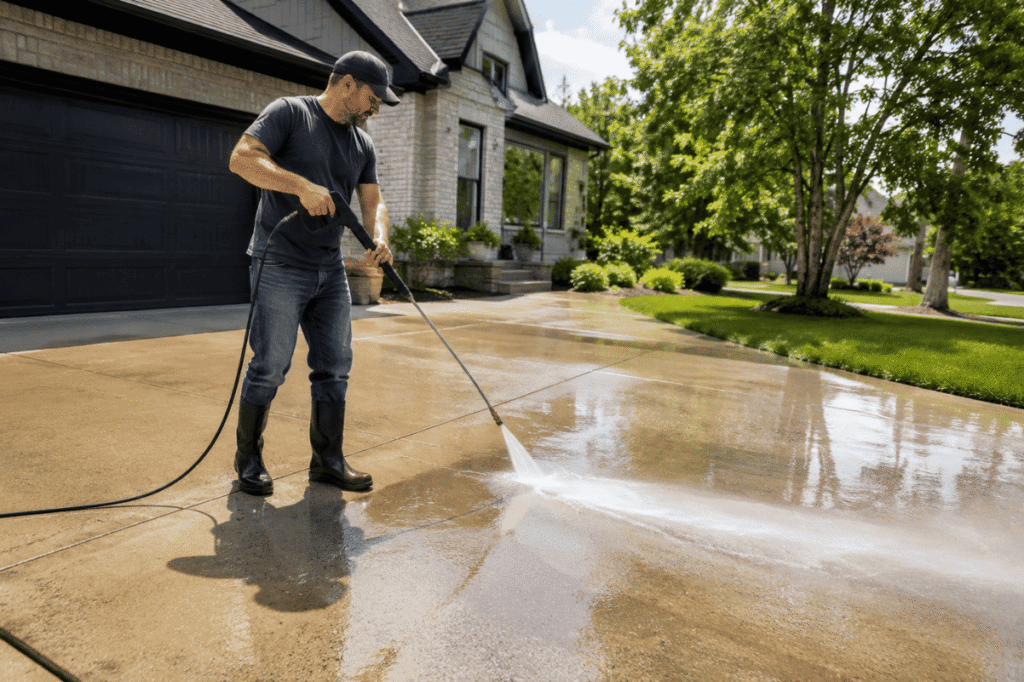
If you’re planning to seal your driveway in Kitchener, you might be wondering whether power washing is really necessary first. The short answer is yes. In most cases, power washing is one of the most important steps before applying driveway sealer. A clean surface allows the sealer to bond properly, improves its appearance, and helps it last longer.
Skipping this step can lead to poor adhesion, uneven coverage, and a shorter lifespan for your sealed driveway. Whether your driveway is asphalt or concrete, preparing the surface correctly is the key to getting professional-looking results.
This guide explains why power washing matters, when to do it, and how to prepare your driveway for a durable seal.
Why Cleaning Before Sealing Matters
Driveways collect more than just dirt. Over time, they become covered with:
- Dust and loose debris
- Oil and grease stains
- Moss, algae, and mildew
- Road salt residue
- Leaves and organic material
- Tire marks
If these contaminants remain on the surface, the sealer cannot properly adhere. Instead of bonding with the driveway, it sticks to the dirt, which often causes peeling, flaking, or premature wear.
Power washing removes these materials more effectively than sweeping or using a garden hose.
What Does Power Washing Do?
A power washer uses high-pressure water to clean deep into the surface of your driveway. It removes stubborn grime that ordinary cleaning cannot.
Benefits include:
- Creates a clean surface for better sealer adhesion
- Removes mould, algae, and mildew
- Washes away road salt left after winter
- Improves the final appearance of the sealed driveway
- Helps identify cracks or damage that need repair before sealing
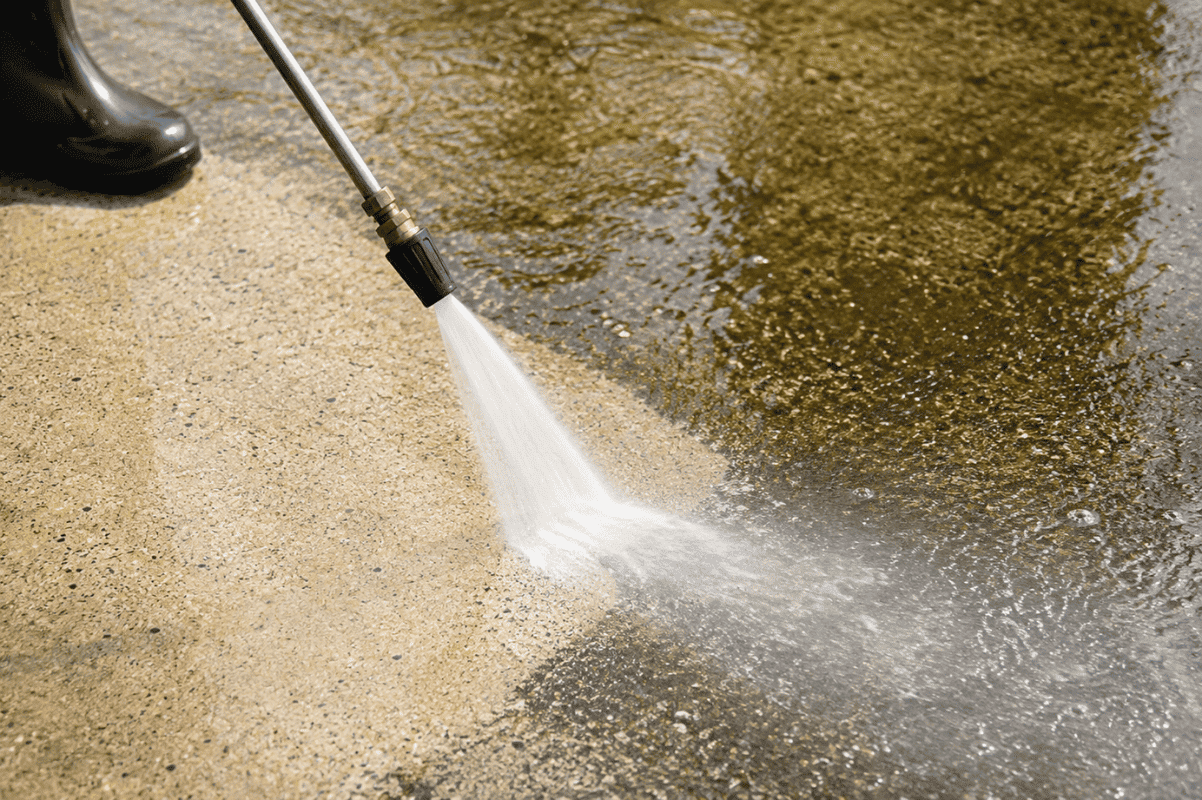
A properly cleaned driveway also allows repairs to bond more effectively before the sealer is applied.
Should Every Driveway Be Power Washed?
In most cases, yes.
However, the condition of the driveway matters.
Asphalt Driveways
Power washing is recommended for asphalt because it removes dirt and debris from the textured surface. Use moderate pressure to avoid damaging older asphalt.
Concrete Driveways
Concrete benefits even more from power washing because stains often soak into its porous surface. Cleaning before sealing helps the protective coating penetrate more evenly.
When Should You Power Wash Before Sealing?
Timing is important.
Ideally, power wash the driveway 24 to 48 hours before sealing. This gives the surface enough time to dry completely.
Applying sealer to a damp driveway can trap moisture underneath, reducing adhesion and causing bubbles or peeling later.
Choose a period with:
- Dry weather
- Mild temperatures
- No rain expected for at least 24 hours after sealing
How to Power Wash a Driveway Properly
A few simple steps can make a big difference.
1. Remove Loose Debris
Sweep away leaves, dirt, and stones before using the power washer.
2. Treat Oil Stains
Use a driveway degreaser on oil spots before washing. Heavy oil stains may require scrubbing.
3. Use the Correct Pressure
Too much pressure can damage the driveway.
General recommendations include:
- Asphalt: lower pressure
- Concrete: moderate pressure
Keep the spray moving to avoid creating streaks or surface damage.
4. Work in Sections
Clean one section at a time using overlapping passes for even coverage.
5. Let the Driveway Dry
Allow at least one full day of drying before applying sealer to an asphalt driveway.
Common Mistakes to Avoid
Many homeowners reduce the effectiveness of driveway sealing by making simple preparation mistakes.
Avoid these common problems:
- Sealing immediately after washing
- Ignoring oil or grease stains
- Skipping driveway crack filling and repairs
- Using excessive pressure on asphalt
- Sealing during wet or humid weather
- Applying sealer to a dirty surface
Taking extra time during preparation often adds years to the life of the seal.
Repair Damage Before Sealing
Power washing often reveals cracks that were hidden beneath dirt.
Repair these before sealing:
- Small surface cracks
- Edge deterioration
- Minor potholes
- Areas where weeds have grown through
Sealer protects the driveway but does not fix structural damage. Repairs should always come first. If the damage appears along the edge of the home, it may also be helpful to understand how to fill the crack between a driveway and garage before applying sealer.
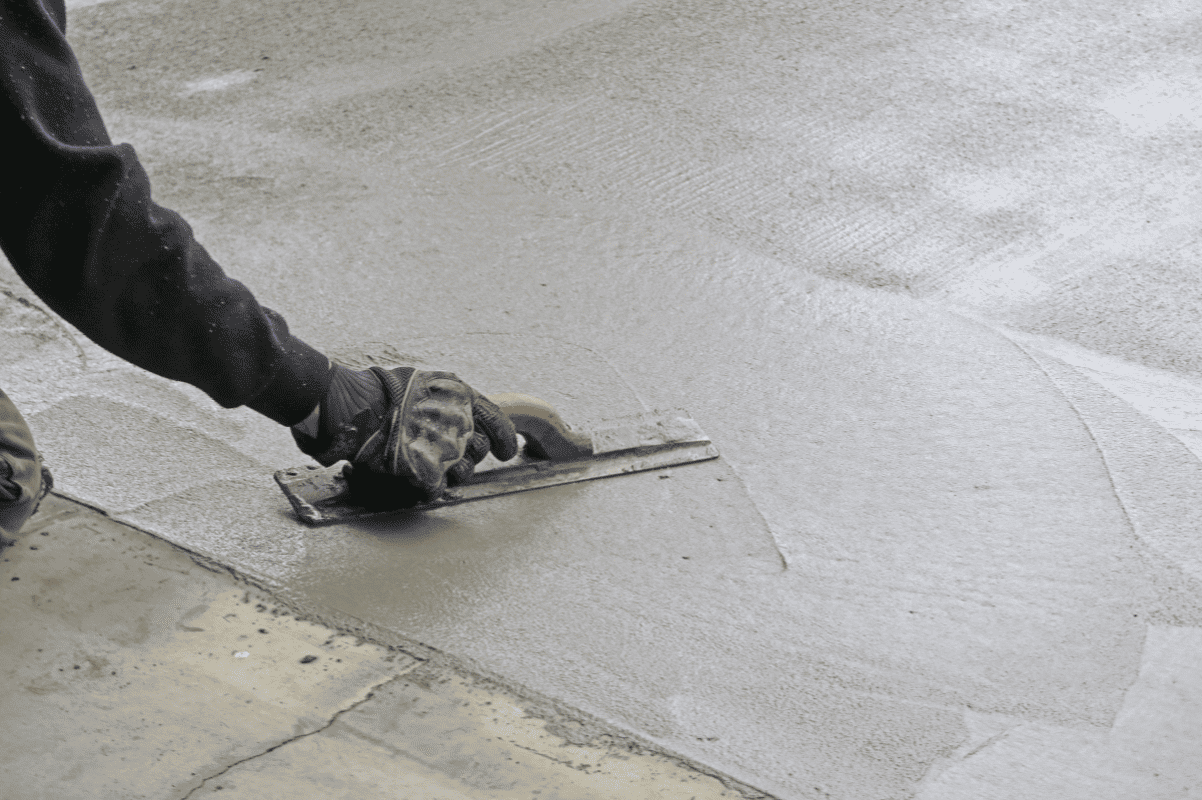
Proper cleaning and repairs are especially important if it has been several years since the surface was treated. Knowing how often to seal coat a driveway in Ontario can help homeowners plan maintenance before cracks and surface wear become more serious.
Can You Skip Power Washing?
Technically, yes.
But it usually isn’t worth the risk.
Simply sweeping the driveway removes loose debris but leaves behind fine dust, salt residue, algae, and contaminants that reduce the effectiveness of the sealer.
If your driveway is almost new and perfectly clean, a thorough rinse may be enough. However, most driveways benefit significantly from proper pressure washing before sealing.
Does Winter Affect Driveway Preparation?
Canadian winters are especially hard on driveways.
Snow, ice, road salt, and repeated freeze-thaw cycles leave behind residue that weakens the surface over time.
Before sealing in spring or summer, make sure all winter contaminants have been completely removed. Keeping the driveway clean through seasonal maintenance can help reduce long-term surface deterioration, but cleaning before sealing is still essential for the best results.
Should You Hire a Professional?
Many homeowners can power wash their own driveway if they have the right equipment.
However, hiring a professional may be the better choice if:
- The driveway has heavy staining
- There are large cracks needing repair
- The surface is several years old
- You want a long-lasting professional finish
- You are preparing a large commercial property
Professionals understand the correct pressure settings, cleaning techniques, and drying times for different driveway materials.
Power washing before sealing is one of the simplest ways to protect your driveway investment. It removes dirt, salt, grease, and other contaminants that prevent the sealer from bonding properly. Combined with crack repairs and proper drying time, this preparation helps create a smoother finish that lasts longer.
Whether you have an asphalt or concrete driveway, taking the time to clean the surface first will improve both appearance and durability. A well-prepared driveway not only looks better but also stands up to Canada’s changing weather for years to come.
Frequently Asked Questions
Can I seal a driveway immediately after power washing?
No. Wait until the driveway is completely dry, usually 24 to 48 hours depending on weather conditions.
Is power washing safe for old asphalt?
Yes, if done carefully using moderate pressure. Excessive pressure may loosen older asphalt.
What if my driveway has oil stains?
Treat oil stains with a degreaser before power washing. Deep stains may require multiple treatments.
How often should I seal my driveway?
Most driveways benefit from sealing every two to three years, depending on weather exposure and traffic.
Can rain ruin freshly applied sealer?
Yes. Rain before the sealer has fully cured can damage the finish and reduce its durability. After sealing, you should also know how long to wait before driving on a newly sealed driveway to avoid damaging the new surface.
