
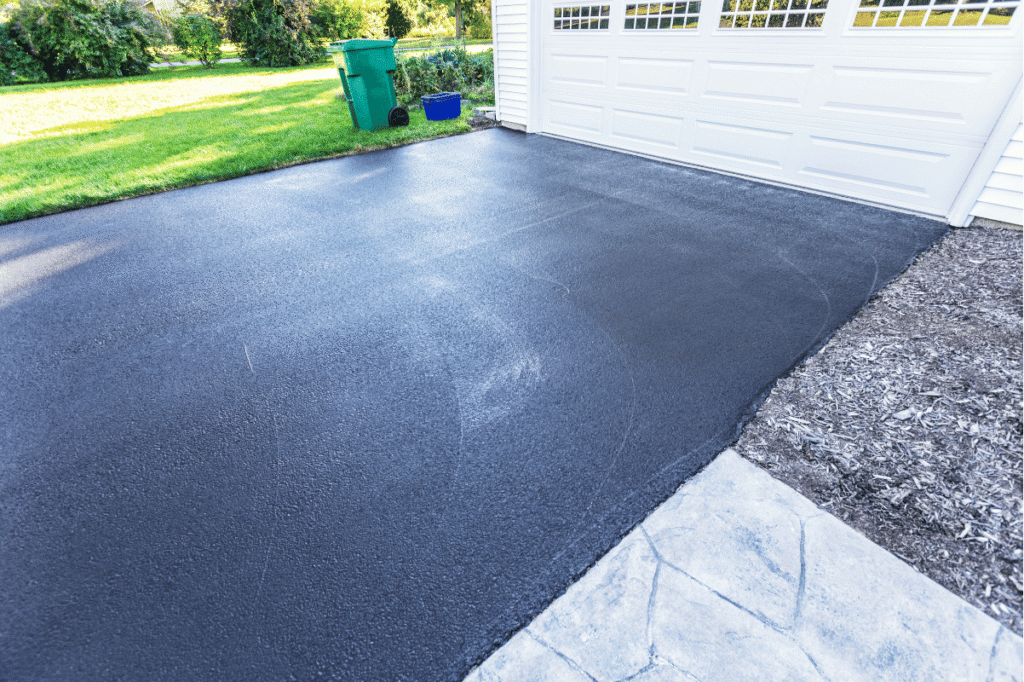
A freshly sealed driveway improves the appearance of your property while helping protect the surface from moisture, UV exposure, oil stains, and seasonal wear. After investing in driveway sealing, one of the most common questions homeowners ask is how long they should wait before driving on it. The answer depends on several factors including weather conditions, the type of sealant used, and how thick the coating was applied.
In most Canadian conditions, homeowners should wait at least 24 to 48 hours before driving on a newly sealed driveway. While the surface may appear dry within a few hours, the sealcoat underneath still needs time to cure properly. Driving too early can leave tire marks, scuffs, dents, or uneven areas that reduce the lifespan and appearance of the driveway.
Why Waiting Matters After Driveway Sealing
Driveway sealant needs enough time to bond with the asphalt surface. During the curing process, the sealcoat hardens and forms a protective layer designed to resist water, sunlight, vehicle fluids, and temperature changes. If vehicles are parked or driven on the driveway too soon, the soft coating can become damaged before it fully cures.
Freshly sealed asphalt is especially sensitive during warm weather because heat keeps the surface softer for longer periods. Even turning the steering wheel while parked can leave visible marks if the sealcoat has not cured completely.
Typical Drying and Curing Times
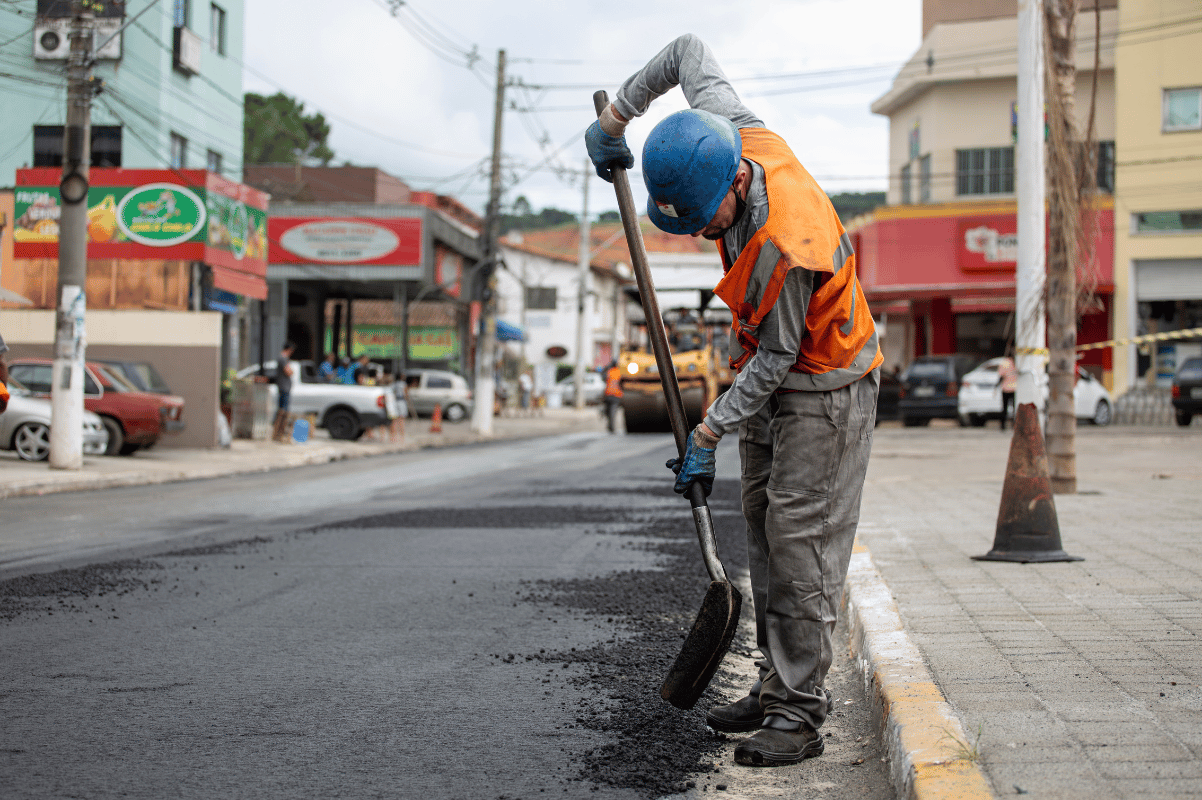
Most professional asphalt sealants dry to the touch within 4 to 8 hours under ideal conditions. However, drying and curing are not the same thing. A driveway may look ready before it actually is.
Here is a general guideline for Canadian homeowners:
- Foot traffic: Usually safe after 4 to 6 hours
- Light vehicle traffic: Usually safe after 24 hours
- Heavy vehicles or trailers: Best after 48 to 72 hours
Weather conditions play a major role in these timelines. Cool temperatures, high humidity, shade, or rain can extend drying times significantly.
Weather Conditions Affect Sealing Results
Canadian weather can change quickly, and driveway sealing should always be planned carefully. Ideally, sealing should be completed during dry weather with temperatures above 15°C. Warm temperatures and sunlight help the sealcoat cure faster and more evenly.
Rain is one of the biggest concerns after sealing. If rain falls before the sealant has cured properly, it can wash away sections of the coating or create streaks and uneven textures. Professional contractors usually monitor forecasts carefully before beginning a sealing project.
This is similar to other outdoor maintenance work, where timing and surface conditions directly affect the final result. Following practical steps to keep your property safe and accessible during winter in Ontario can also help reduce seasonal damage to driveways and surrounding surfaces.
Tips to Protect a Newly Sealed Driveway
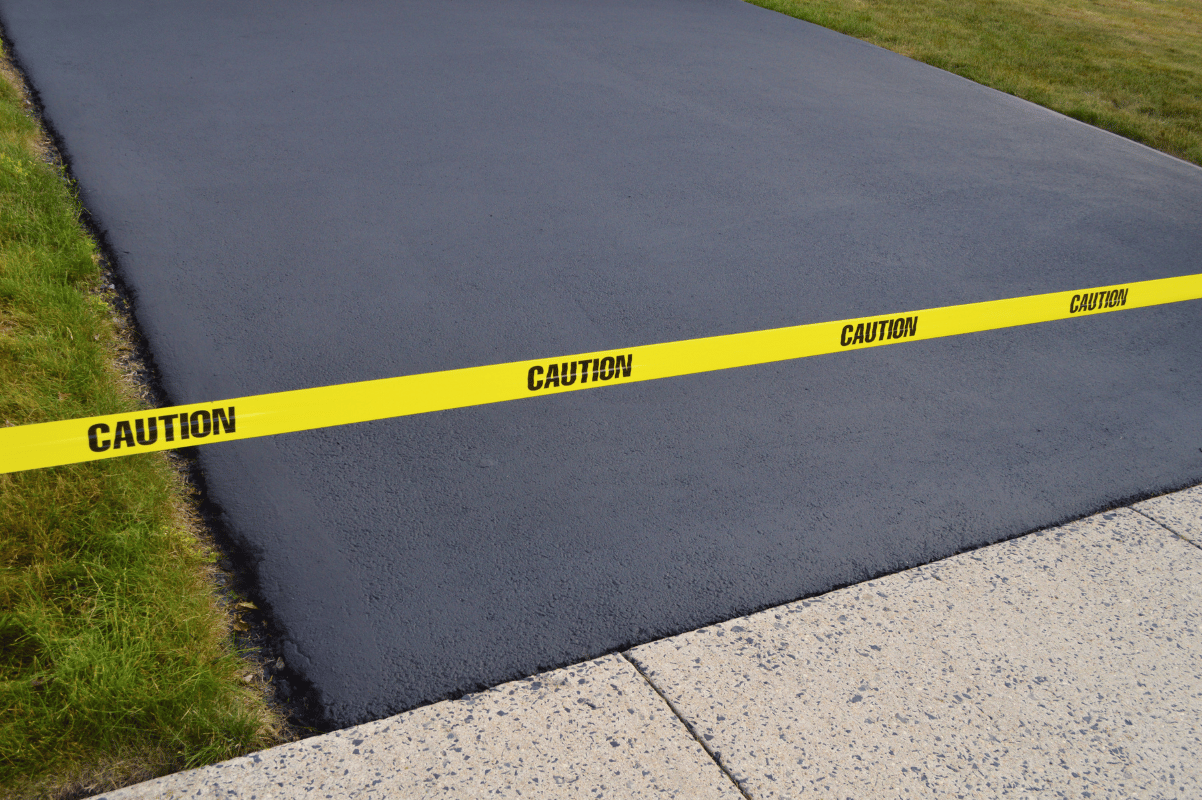
Proper care during the first few days can make a big difference in the durability of your driveway sealcoat. Homeowners should avoid unnecessary pressure or sharp movements on the surface while it cures.
Some helpful precautions include:
- Avoid turning wheels while the vehicle is stationary
- Keep motorcycles, bicycles, and heavy equipment off the surface initially
- Prevent lawn sprinklers from spraying water onto the driveway
- Block access if children are playing nearby
- Do not place heavy bins or sharp objects on the surface
It is also helpful to park vehicles in different positions during the first week to reduce pressure in one area. During winter, using safer methods to remove snow from a driveway without a shovel may help limit scraping and unnecessary surface wear.
Signs Your Driveway Is Ready
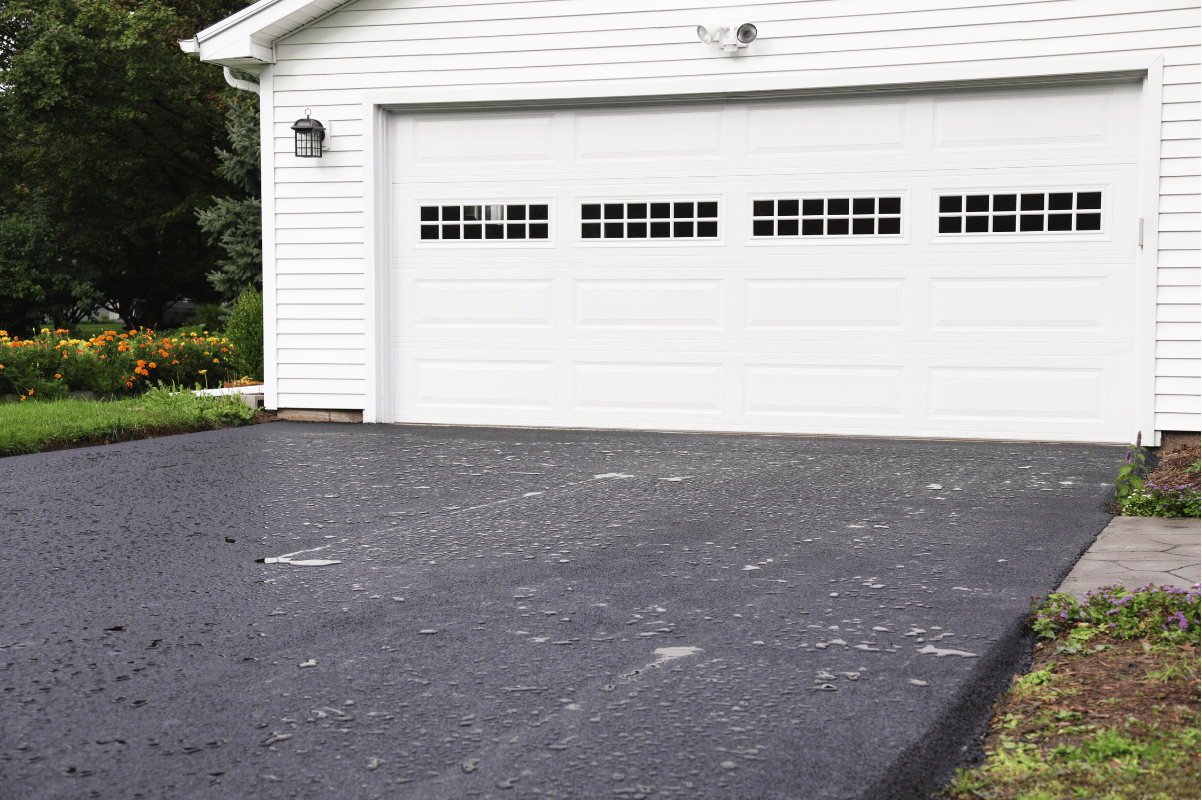
A properly cured driveway should no longer feel tacky or soft when touched. The colour will usually appear consistent across the surface without glossy wet spots. If the weather has been humid or cool, waiting longer is always safer than rushing the process.
Professional sealing contractors may also provide specific recommendations based on the sealant product they used. Following their instructions helps maximize the lifespan of the coating and keeps the driveway looking cleaner for longer. Owners managing larger paved areas may benefit from coordinated commercial property care services to maintain asphalt, walkways, landscaping, and other exterior surfaces.
How Long Does Driveway Sealcoating Last?
Most sealed driveways in Canada should be resealed every 2 to 3 years depending on usage, weather exposure, and maintenance habits. Harsh winters, snow removal equipment, road salt, and heavy vehicle traffic can all shorten the lifespan of asphalt surfaces.
Routine maintenance, crack filling, and regular cleaning help extend the life of both the asphalt and the sealcoat. Homeowners who stay proactive with maintenance usually avoid more expensive repairs later.
Commercial properties with larger paved areas face similar seasonal challenges. Professional parking lot snow removal and landscaping in Kitchener can help reduce snow accumulation, maintain accessibility, and protect outdoor areas throughout winter.
Waiting the recommended amount of time before driving on a newly sealed driveway is one of the simplest ways to protect your investment. While it may be inconvenient temporarily, giving the sealcoat enough time to cure properly helps prevent tire marks, premature wear, and surface damage.
In most situations, waiting at least 24 to 48 hours is the safest approach for Canadian homeowners. Weather conditions, temperature, humidity, and sealant type all affect the curing process, so patience is important for achieving the best long-term results. Reviewing professional snow removal before-and-after results can also show how regular winter maintenance helps keep driveways and paved surfaces clear and accessible.
