
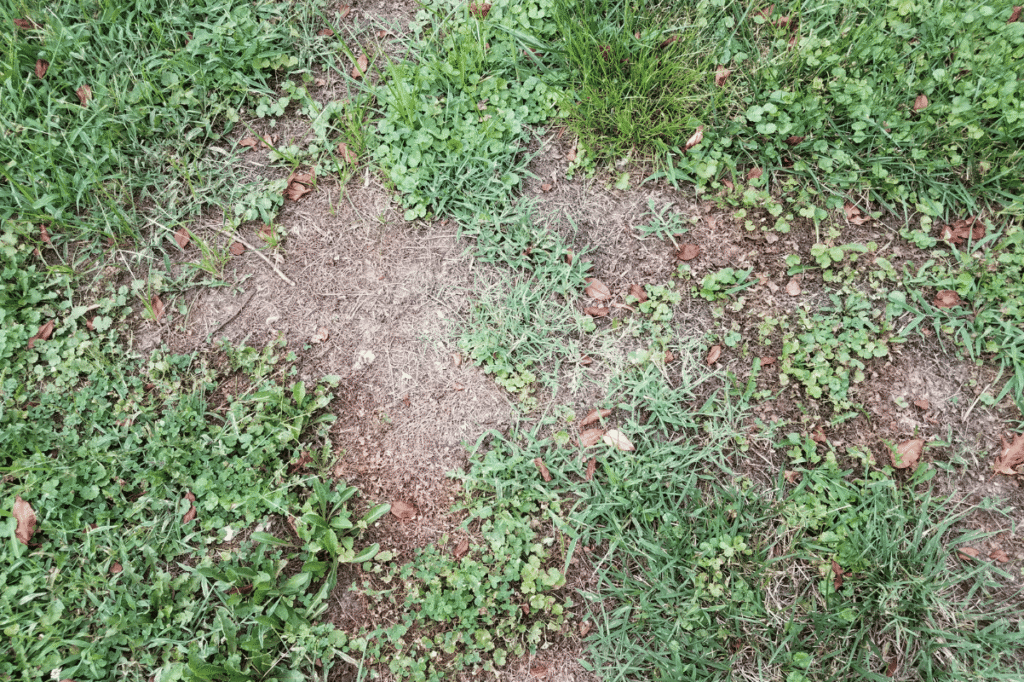
A lush, green lawn is one of the highlights of summer, but many homeowners become concerned when they notice brown patches spreading across their yard. While occasional discoloration is normal during hot weather, persistent brown spots can signal underlying issues that need attention. Understanding the cause is the first step toward restoring your lawn’s healthy appearance.
1. Heat and Drought Stress
One of the most common reasons for brown patches during summer is heat stress. Extended periods of high temperatures and limited rainfall can cause grass to dry out and enter a dormant state. Dormant grass often turns brown as a survival mechanism, especially when it isn’t receiving enough water.
To combat drought stress, water your lawn deeply rather than frequently. Early morning watering is ideal because it reduces evaporation and gives grass roots time to absorb moisture before the hottest part of the day. Following effective strategies for keeping a lawn green during Waterloo Region watering restrictions can help you conserve water without placing unnecessary stress on the grass.
2. Uneven Watering
Brown patches may appear when some areas of your lawn receive less water than others. This often happens due to clogged sprinkler heads, poor irrigation coverage, or sloped landscapes where water runs off before soaking into the soil.
Check your irrigation system regularly and ensure water is distributed evenly. You can place empty containers around your lawn during watering to measure how much water each area receives.
3. Soil Compaction
Heavy foot traffic can compact soil, reducing airflow and preventing water and nutrients from reaching grass roots. As a result, affected areas may become thin, weak, and brown. Vehicle traffic can cause even more serious compaction, which is why it is important to understand how parking a car on your lawn can damage landscaping.
Aerating your lawn helps relieve compaction by creating small holes that allow air, water, and nutrients to penetrate deeper into the soil. This simple maintenance task can significantly improve lawn health.
4. Lawn Diseases
Summer’s combination of heat and humidity creates ideal conditions for fungal diseases. Common lawn diseases such as brown patch fungus can quickly spread and create circular areas of dead or discolored grass.
If you suspect disease, inspect the affected area closely. You may notice irregular patterns, rings, or grass blades with unusual spots. Proper mowing, improved drainage, and reducing excessive watering can help prevent fungal growth.
In regions where seasonal property maintenance is important, homeowners and landlords often plan ahead for year-round yard care. Arranging reliable rental property maintenance in Kitchener-Waterloo can help keep lawns, outdoor areas, and other exterior features maintained throughout changing seasonal conditions.
5. Pet Damage
Dog urine contains high concentrations of nitrogen and salts that can burn grass, leaving behind small brown spots surrounded by darker green rings. These patches are especially common in areas where pets frequently relieve themselves.
Encouraging pets to use designated areas and watering spots immediately after use can help minimize damage.
6. Improper Mowing Practices
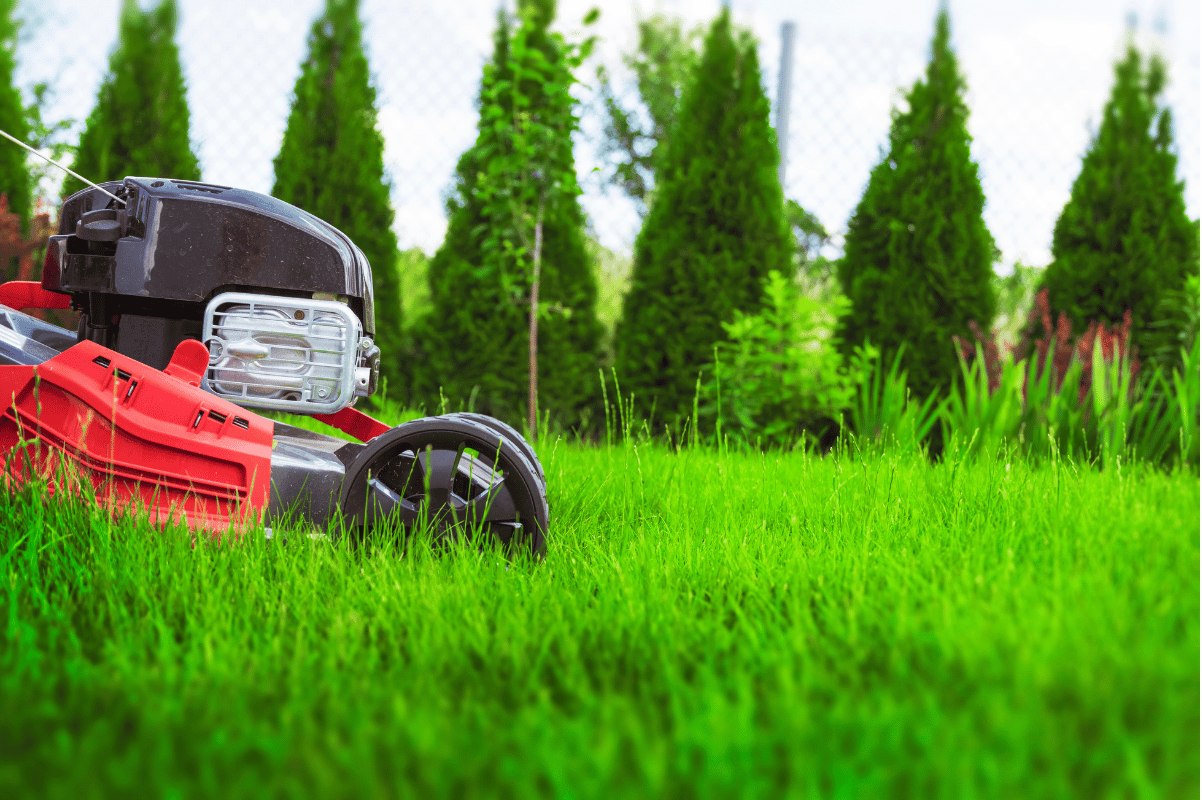
Cutting grass too short weakens its ability to withstand heat and drought. Short grass exposes the soil to direct sunlight, causing moisture to evaporate more quickly and increasing stress on the lawn.
A good rule of thumb is to never remove more than one-third of the grass blade during a single mowing session. Keeping grass slightly taller during summer can help retain moisture and protect roots. Understanding how often to mow a lawn in Canada can also help you avoid cutting too frequently or allowing the grass to become overgrown.
7. Insect Infestations
Certain lawn pests feed on grass roots, causing sections of turf to turn brown and die. Grubs, chinch bugs, and other insects can create patches that resemble drought damage.
If brown areas lift easily from the soil like loose carpet, insects may be the culprit. Identifying the specific pest is essential before choosing an appropriate treatment method.
8. Nutrient Deficiencies
Grass requires a balanced supply of nutrients to remain healthy. A lack of nitrogen, potassium, or other essential elements can result in weak growth and discoloration.
A soil test can help determine whether your lawn is lacking nutrients. Based on the results, you can apply the appropriate fertilizer to restore balance and encourage healthy growth. Professional fertilizer and weed control in Kitchener-Waterloo can also help address nutrient deficiencies and unwanted weeds using treatments suited to local lawn conditions.
How to Bring Your Lawn Back to Life
The best recovery strategy depends on the cause of the brown patches. Start by examining watering habits, soil condition, mowing practices, and signs of pests or disease. In many cases, correcting these issues can help grass recover naturally over time.
For severely damaged areas, overseeding may be necessary to fill in bare spots and restore uniform coverage. Consistent maintenance, proper irrigation, and seasonal care are the keys to maintaining a vibrant lawn throughout the year.
Brown patches in summer can be frustrating, but they are often manageable once the underlying cause is identified. Whether the issue stems from drought, pests, disease, or lawn care practices, early intervention can prevent further damage and help your grass regain its healthy green appearance. By monitoring your lawn regularly and providing the care it needs, you can enjoy a beautiful outdoor space all season long.
