
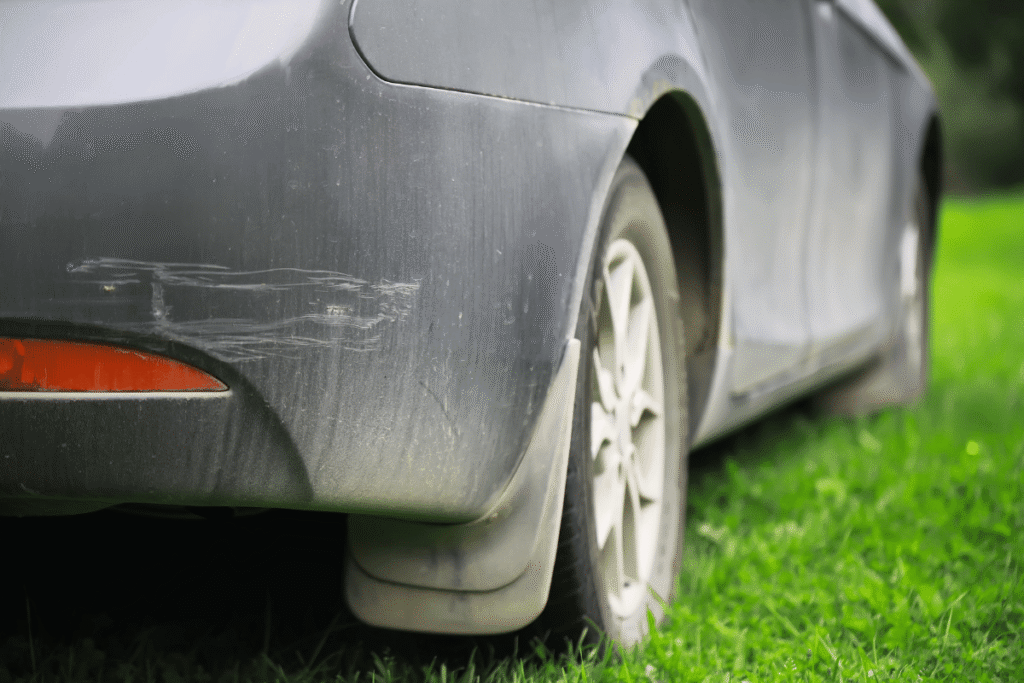
As a result, grass begins to struggle. You may notice yellow patches, thinning areas, or completely dead spots where your car is parked most often. Even if the grass looks fine at first, repeated pressure gradually weakens the root system, making it harder for the lawn to recover.
Long-Term Damage to Landscaping
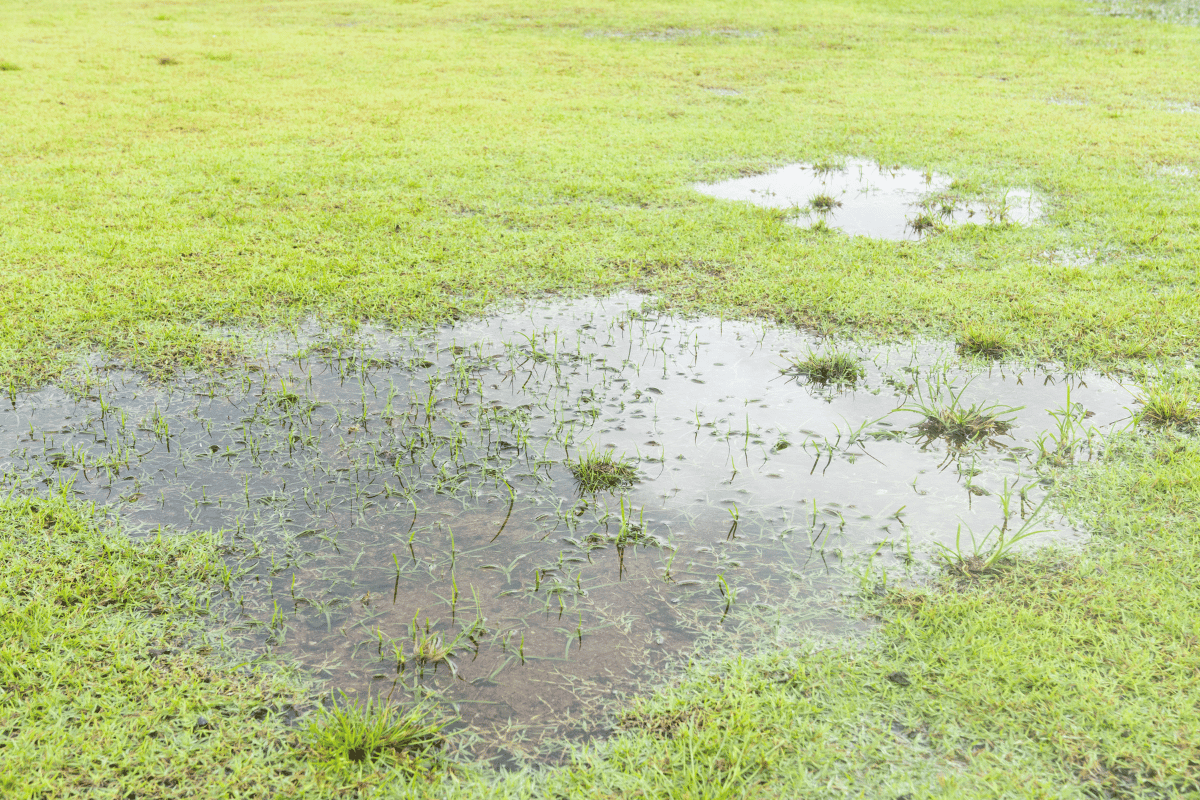
The impact goes beyond just grass. Soil compaction can also affect the overall health of your landscape. Water may start to pool on the surface instead of draining properly. This can lead to muddy areas, erosion, and even damage to nearby garden beds.
Over time, compacted soil becomes so hard that even replanting grass does not solve the issue. New seeds struggle to take root, and water runoff can carry away topsoil. This creates uneven surfaces and long-term maintenance challenges for homeowners.
In colder regions like Ontario, freeze and thaw cycles make the situation worse. Water trapped in compacted soil expands when frozen, breaking down the soil structure even further.
Why It Seems Harmless at First
Many homeowners assume that parking on grass only causes temporary flattening. While light foot traffic can recover quickly, vehicles are a different story. Even a standard car exerts thousands of pounds of pressure on a small surface area. SUVs and trucks create even more stress on the ground.
If parking happens only once or twice, the lawn may bounce back. However, repeated parking in the same spot leads to permanent damage that becomes increasingly difficult and costly to fix.
How to Protect Your Lawn
If you often find yourself needing extra parking spParking a car on your lawn might seem like a quick and harmless solution when driveway space is limited, but over time it can create serious and often expensive damage to your landscaping. Many homeowners in Canada do this occasionally without thinking about the long-term effects on soil, grass, and drainage. Understanding what actually happens beneath your tires can help you avoid permanent harm to your yard.
What Happens When You Park on Grass
Grass and soil are more delicate than they appear. When a vehicle is parked on a lawn, the weight of the car compresses the soil underneath. This process is called soil compaction. Once soil becomes compacted, it loses its natural structure, which reduces air pockets and limits the movement of water and nutrients.
ace, there are better long-term solutions than using your lawn. Expanding your driveway, installing gravel parking pads, or using reinforced grass pavers can help distribute weight more evenly.
Regular lawn maintenance also helps reduce damage. Aeration, for example, improves airflow in the soil and helps relieve compaction. Overseeding can strengthen weak areas, but it works best when the underlying soil structure is healthy.
In some cases, professional help can make a big difference. A Landscaper Kitchener can assess soil condition, recommend proper drainage solutions, and restore damaged lawn areas more effectively than DIY methods.
Weather Conditions Make It Worse
Canadian weather plays a major role in how quickly lawn damage occurs. Wet soil in spring or after rainfall is especially vulnerable. Parking on soft ground during these conditions increases compaction significantly. Similarly, winter parking can leave deep ruts once the ground thaws.
Even seasonal habits matter. Some homeowners rely on extra parking during winter when snow reduces usable driveway space. This often leads to hidden lawn damage that only becomes visible in spring.
For example, services like Snow removal in Kitchener can help keep driveways clear so homeowners are less likely to park on grass during winter months. Preventing access issues during snow season is one of the easiest ways to protect landscaping year-round.
Signs Your Lawn Has Been Damaged
If you are unsure whether your lawn has been affected, look for these common signs:
- Persistent bare or yellow patches
- Water pooling in certain areas
- Hard, dry soil that is difficult to dig
- Uneven ground or ruts where tires have been
These signs indicate that the soil structure has been compromised and needs attention before the damage spreads further.
Repairing the Damage
Repairing compacted soil takes time. The first step is usually aeration to break up the soil. After that, adding fresh topsoil and reseeding helps restore healthy grass growth. In severe cases, sections of the lawn may need to be completely rebuilt.
Professional landscaping support can speed up this process and improve long-term results. Whether it is lawn restoration, drainage correction, or seasonal maintenance, experienced help ensures the problem does not return.

Parking your car on your lawn might seem like a small convenience, but it can lead to significant landscaping damage over time. Soil compaction, poor drainage, and dead grass are all common outcomes that become more severe with repeated use.
With better planning, proper parking solutions, and occasional professional support, you can protect your lawn and maintain a healthier outdoor space. Taking early action is always easier and more cost-effective than repairing long-term damage.
