
Maintaining a healthy lawn is a regular part of homeownership across Canada, especially during the growing season. While skipping a mow here and there might not seem like a big deal, consistently neglecting your grass can lead to a range of problems that affect not only your yard’s appearance but also its health, safety, and even local compliance.
Rapid Overgrowth and Uneven Lawn
Grass in many parts of Canada grows quickly during spring and summer due to moderate temperatures and regular rainfall. If left uncut, it can become tall and uneven within a couple of weeks. This overgrowth blocks sunlight from reaching lower blades, causing patchy and unhealthy grass. Over time, your lawn can develop a rough, inconsistent texture that becomes harder to restore.
Increased Weed Infestation
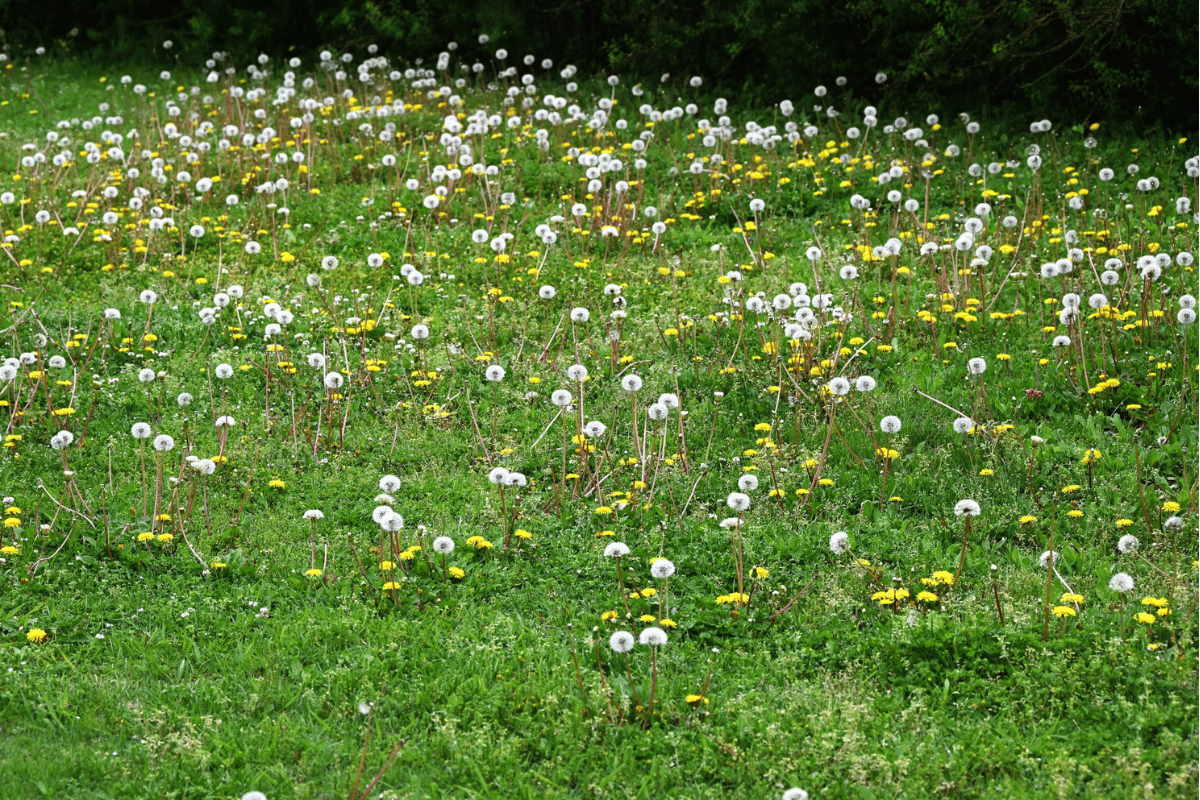
One of the biggest consequences of not mowing regularly is the spread of weeds. Tall grass creates the perfect environment for weeds like dandelions, crabgrass, and clover to thrive. Once weeds take over, they compete with your grass for nutrients, water, and sunlight. This can weaken your lawn and make it more difficult to maintain in the future.
Pest and Insect Problems
Long grass provides shelter for pests such as ticks, mosquitoes, and rodents. These pests are not just annoying but can also pose health risks to your family and pets. For example, ticks are known carriers of Lyme disease in Canada. Keeping your lawn trimmed helps reduce these hiding spots and creates a safer outdoor environment.
Lawn Diseases and Poor Health
When grass grows too long, it tends to retain more moisture, especially after rain or early morning dew. Excess moisture creates ideal conditions for fungal diseases like snow mould and brown patch. These diseases can damage large sections of your lawn and require time and effort to fix.
Regular mowing helps improve air circulation and keeps your grass dry and healthy. Neglecting this basic maintenance can lead to long term damage that may require professional care to repair.
Municipal Bylaw Issues
Many Canadian cities and towns have bylaws that require homeowners to keep their lawns below a certain height. If your grass becomes excessively long, you may receive a warning or even a fine from your municipality. In some cases, the city may cut the grass for you and charge the cost to your property tax bill.
This makes routine lawn care not just a matter of appearance but also a legal responsibility.
Reduced Curb Appeal
Your lawn plays a major role in your home’s overall appearance. Overgrown grass can make your property look neglected and uninviting. This is especially important if you plan to sell your home, as poor curb appeal can reduce its perceived value.
A well maintained lawn reflects care and attention, which leaves a positive impression on visitors, neighbours, and potential buyers.
Impact on Outdoor Use
Tall and uncut grass makes it difficult to enjoy your outdoor space. Activities like walking, playing with kids, or hosting gatherings become less comfortable. Wet, dense grass can also attract insects, making it unpleasant to spend time outside.
If you want to fully use your yard during warmer months, regular mowing is essential.
Long Term Maintenance Costs
Ignoring lawn care for too long can lead to expensive fixes later. Restoring an overgrown and unhealthy lawn may require reseeding, fertilizing, weed control, and sometimes complete lawn replacement. These costs can add up quickly.
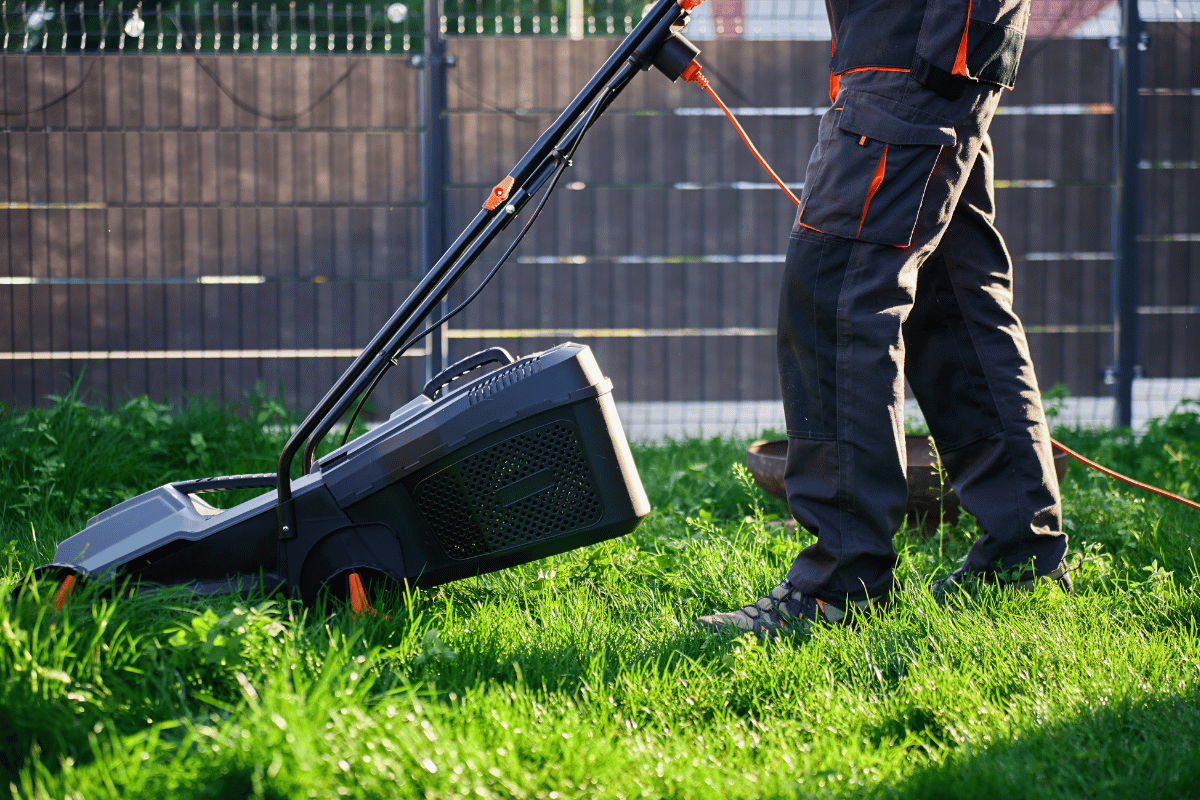
Many homeowners eventually turn to a professional Commercial landscaping service in Kitchener or similar providers to bring their lawns back to life, which could have been avoided with consistent maintenance.
Final Thoughts
Not cutting your grass in Canada can lead to more than just a messy yard. From weed growth and pest problems to bylaw issues and increased costs, the effects can quickly become overwhelming. Regular mowing keeps your lawn healthy, safe, and visually appealing while helping you avoid unnecessary stress and expenses.
A simple routine of cutting your grass every one to two weeks during the growing season can make a significant difference. It protects your investment in your property and ensures your outdoor space remains enjoyable throughout the year.
