
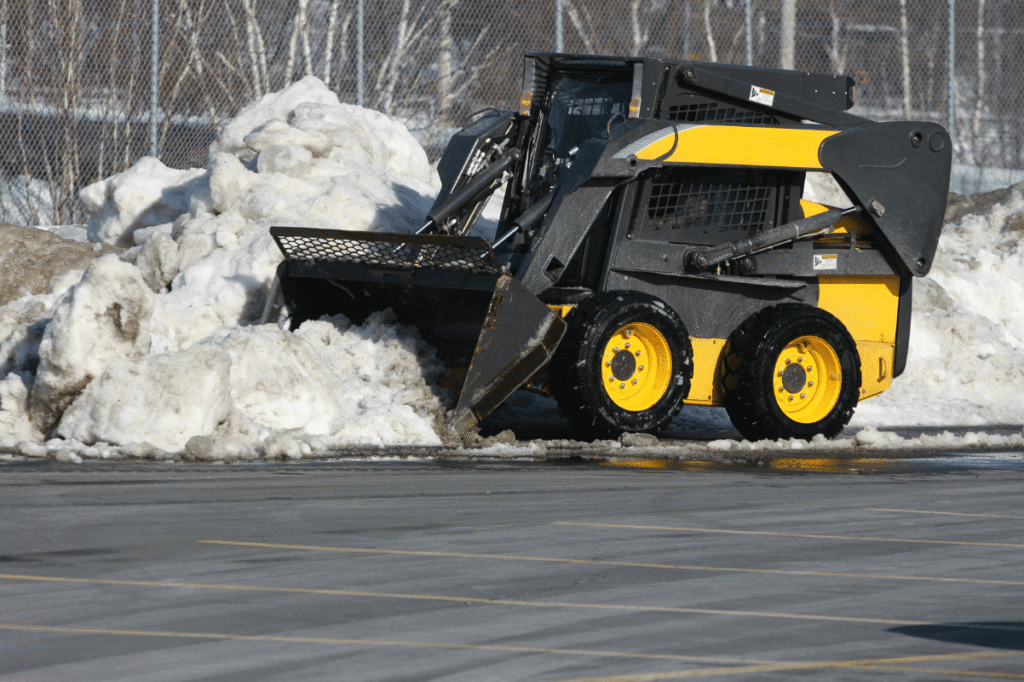
When you manage a commercial property in Canada, knowing that a snow contractor arrived is not the same as knowing what happened during the visit.A useful snow removal service log should create a clear record of when the crew arrived, what weather and surface conditions they found, which areas they serviced, what materials they applied and what conditions remained afterward.CNA Canada recommends that property owners and managers maintain records of snow maintenance activities, including weather conditions, service times, snow depth, unusual occurrences and completed work. Its risk-control guidance also recommends documenting work with time-stamped and geo-tagged photos.
Here is what property managers should expect to see in a well-documented snow removal service record.
What Should a Snow Removal Service Log Include?
A complete service log should provide enough information to reconstruct what happened during a winter maintenance visit.
At a minimum, look for:
- Date of service
- Arrival and departure times
- Weather conditions
- Snow depth or accumulation
- Surface conditions
- Areas serviced
- Work completed
- De-icing materials applied
- Site photographs
- Unusual conditions or obstructions
- Crew or equipment information
- GPS or location records, where available
- Follow-up or inspection notes
The exact documentation requirements should match the property, service agreement and applicable local requirements.
1. Arrival and Departure Times
The first thing a service record should establish is when the contractor was on site.
The report should record:
- Date
- Crew arrival time
- Service completion time
- Departure time
- Property or site
- Areas covered
This creates a straightforward timeline for the property manager.For commercial properties with multiple service visits during a storm, individual timestamps make it easier to distinguish one visit from another.
2. Weather and Surface Conditions
Weather records are an important part of winter maintenance documentation.
A contractor may record:
- Snowfall or precipitation type
- Approximate snow accumulation
- Air temperature
- Surface conditions
- Freezing rain
- Ice formation
- Freeze-thaw conditions
- Weather changes during the service period
CNA Canada’s snow-maintenance guidance specifically identifies weather conditions, timing, temperature, precipitation and snow depth as useful records for contracted snow maintenance.This information can also help explain why a property required additional service later.
3. Before-and-After Snow Removal Photos
Photos give property managers a visual record of site conditions.For significant winter events, useful photographs can show:
Before service
- Snow accumulation
- Icy areas
- Blocked walkways
- Parking-lot conditions
- Entrances and stairs
After service
- Cleared parking areas
- Open pedestrian routes
- Treated surfaces
- Snow piles
- Remaining problem areas
CNA Canada recommends documenting snow maintenance work with video and/or photos that are time-stamped and geo-tagged.The photos should be meaningful rather than simply numerous. A few consistent views of important areas can create a much more useful record than dozens of unrelated images.
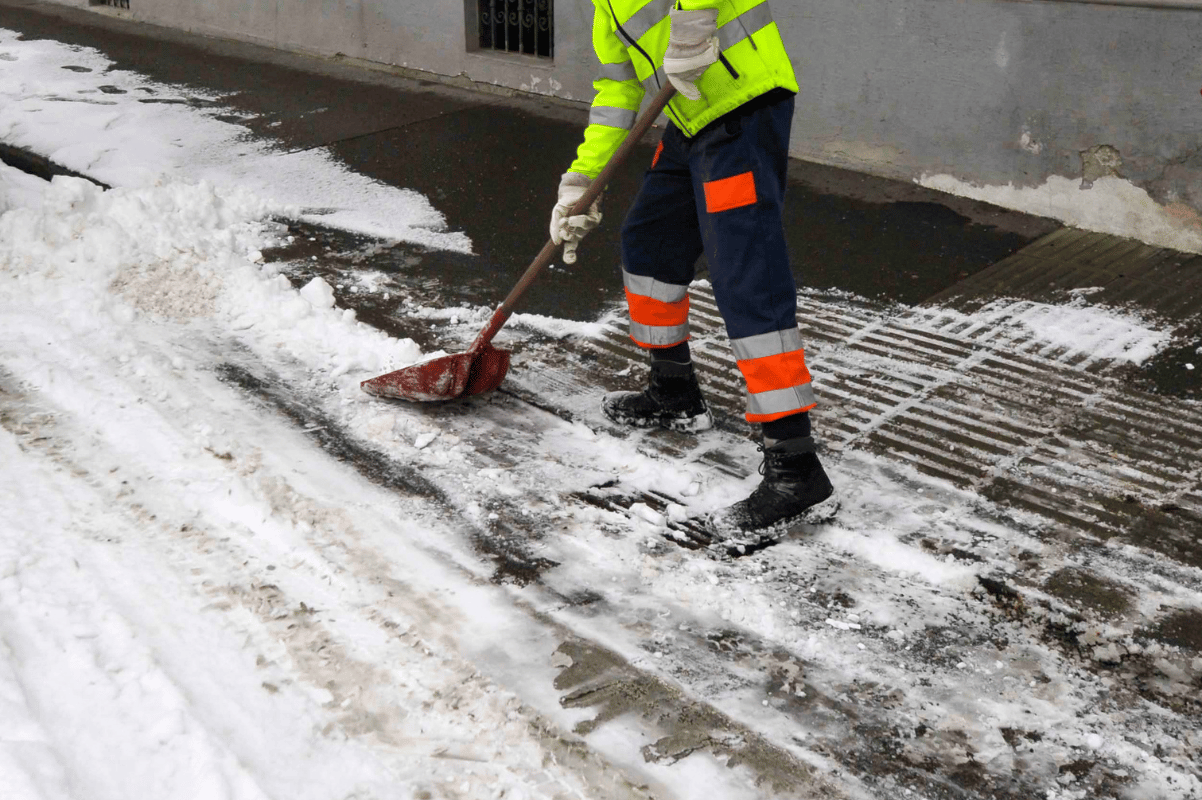
4. Areas and Work Completed
The service report should explain what the crew actually did.
Instead of simply writing “snow removed,” a detailed log could identify:
- Parking lot plowing
- Drive-lane clearing
- Sidewalk clearing
- Entrance clearing
- Stair and ramp clearing
- Loading-area service
- Snow relocation
- Ice scraping
- De-icing
- Follow-up inspection
This makes the record easier for a property manager to review against the snow removal contract.
5. De-Icing Materials and Application
If the contractor applies salt, treated salt, sand or another ice-control product, the service record should identify what was used.
Where the contractor’s system supports it, the record may also include:
- Approximate quantity
- Application location
- Application time
- Application rate
- Reason for treatment
The exact material and application method will depend on temperature, surface type, site requirements and the contractor’s winter maintenance plan.
6. GPS and Equipment Records
GPS tracking can provide another layer of service verification.
Depending on the contractor’s system, GPS records may show:
- When equipment arrived
- Where equipment travelled
- Which areas were serviced
- When the crew left
- Whether the route matched the planned service area
Some Canadian commercial snow contractors now combine GPS tracking with digital service reports and photographs.GPS should support the service record rather than replace written notes and photographs.
7. Obstructions and Areas That Could Not Be Serviced
This is one of the most important details to document.Sometimes a contractor cannot complete part of the planned work because of an unexpected obstacle.
Examples include:
- Parked vehicles
- Delivery trucks
- Construction equipment
- Locked gates
- Blocked entrances
- Damaged pavement
- Unsafe access
- Equipment restrictions
- Snow-storage limitations
The report should identify the problem, the affected area and, where appropriate, what follow-up action was taken.CNA Canada specifically recommends documenting situations such as vehicles blocking areas where snow maintenance cannot be performed normally.
8. Snow Pile Locations
Snow relocation should also be documented when it is part of the service.
Property managers should know where significant snow piles were placed, particularly around:
- Parking-lot edges
- Drainage areas
- Entrances
- Fire hydrants
- Pedestrian routes
- Visibility zones
Snow placement matters because poorly positioned piles can interfere with drainage, visibility or access. CNA Canada’s guidance advises keeping snow piles away from important access and drainage areas.
9. Post-Service Inspection
A final inspection can help identify conditions that need additional attention.
Depending on the property, the inspection may check:
- Main entrances
- Sidewalks
- Stairs
- Ramps
- Parking areas
- Loading zones
- High-traffic pedestrian routes
- Remaining ice
- Potential refreeze areas
CNA Canada recommends ongoing monitoring of walking surfaces because conditions can change after the initial clearing and treatment.A contractor’s report should therefore distinguish between work completed and conditions that may require monitoring or another service visit.
What Should Property Managers Receive After Each Visit?
A practical digital report might look like this:
| Record | Information to include |
| Service time | Arrival, completion and departure |
| Weather | Snow, rain, freezing rain and temperature |
| Site conditions | Snow, ice and surface conditions |
| Work performed | Plowing, shovelling, clearing and treatment |
| Materials | Type and quantity where available |
| Photos | Before/after conditions |
| GPS | Equipment or crew location where available |
| Obstructions | Vehicles, construction or access problems |
| Snow storage | Relocation or pile locations |
| Inspection | Remaining hazards or follow-up needs |
The goal is to create a clear event-by-event history, not simply a collection of invoices.
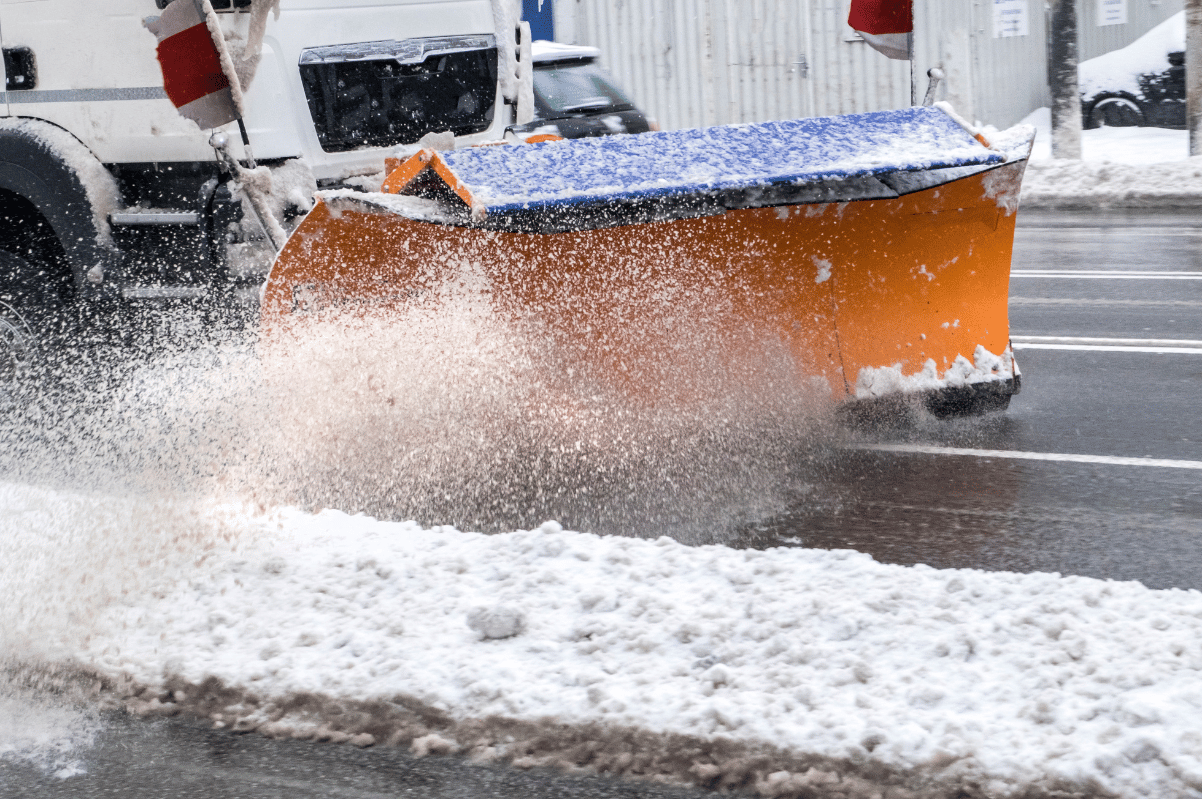
How Long Should Snow Removal Records Be Kept?
There is no single retention period that applies to every Canadian property.Record-retention requirements can depend on the jurisdiction, contracts, insurance arrangements and the circumstances of an incident. CNA Canada’s guidance advises maintaining records for at least the applicable statute-of-limitations period.Property managers should therefore establish a record-retention policy with their legal or insurance advisers rather than assuming that one period applies everywhere.
Why Are Snow Removal Service Logs Important?
Detailed records can help property managers:
- Verify that contracted work was completed
- Review service timing during winter events
- Identify recurring problem areas
- Compare service against the contract
- Investigate complaints
- Track de-icing activity
- Review conditions after an incident
- Maintain organized winter maintenance records
Documentation does not guarantee that a property owner or contractor will avoid liability. However, it provides a factual record of the work and conditions that existed during a particular service visit.
What Should You Ask a Snow Contractor Before Signing a Contract?
Before hiring a commercial snow contractor, ask how the company documents each visit.
Useful questions include:
- Do you provide a service log after every visit?
- Are arrival and departure times recorded?
- Do you take time-stamped site photos?
- Do you record weather and surface conditions?
- Are de-icing materials documented?
- Do you track equipment or crews with GPS?
- How do you document blocked or inaccessible areas?
- Are post-service inspections recorded?
- How can property managers access historical records?
- How long are service records retained?
Ask for a sample report before signing a contract. This lets you see whether the contractor’s documentation actually provides the information your property management team needs.
Final Snow Removal Documentation Checklist
After a snow contractor leaves your commercial property, you should be able to answer:
When did the crew arrive?
What were the weather and surface conditions?
Which areas were serviced?
What work was completed?
What materials were applied?
Were there any obstructions or unusual conditions?
What did the property look like after service?
Was follow-up monitoring or another visit required?
A snow removal program should be about more than clearing snow from a parking lot. Consistent documentation gives property managers a clearer record of winter maintenance activity and helps them manage their properties throughout the season.A snow removal program should be about more than simply clearing snow from a parking lot. Consistent documentation gives property managers a clearer record of winter maintenance activity and helps them manage their properties throughout the season.For businesses looking for snow removal in Kitchener, reviewing a contractor’s documentation process can be just as important as comparing service schedules and pricing. Property managers can also ask how the best snow removal service in the region of Waterloo documents weather conditions, completed work, site photos, de-icing applications and follow-up requirements.
Frequently Asked Questions
Should a snow contractor take photos after every visit?
Photos can provide useful evidence of site conditions and completed work. For significant winter events, time-stamped and geo-tagged photographs can make the service record more useful.
What weather information should a snow contractor record?
Useful information can include precipitation type, snow accumulation, temperature and surface conditions. The exact information needed depends on the property and maintenance program.
Should snow removal contractors use GPS tracking?
GPS can help verify when equipment arrived, where it travelled and when service was completed. It is particularly useful for larger commercial properties with multiple service areas.
What happens if part of a property cannot be cleared?
The contractor should document the affected area, the reason it could not be serviced and any follow-up action. Examples include blocked access, parked vehicles or other site obstructions.
Are snow removal records useful for property managers?
Yes. Organized records can help property managers verify service, review winter events, identify recurring issues and maintain a documented history of snow and ice maintenance.
