
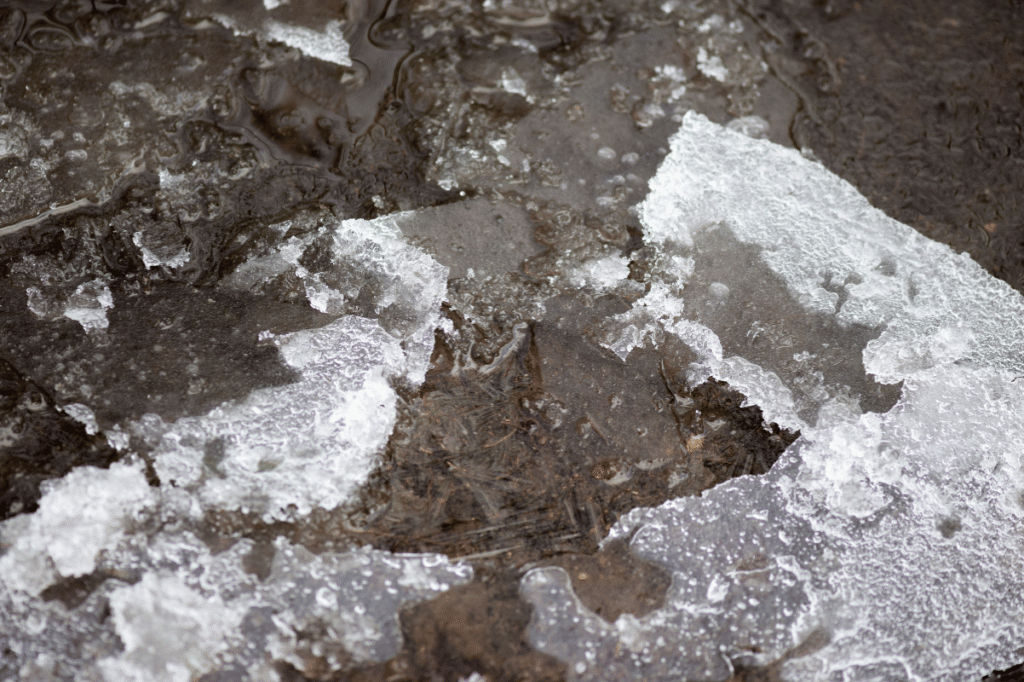
A driveway can look clear in the afternoon and become slippery by the next morning, even when no new snow falls. The cause is often water from melting snow that never drained away.
As snowbanks shrink, meltwater flows towards lower ground. If a blocked drain, ridge of snow, or uneven surface stops that movement, water collects. When surface temperatures fall below freezing, yesterday’s puddle can become today’s ice.
For homeowners and property managers in Kitchener-Waterloo, winter maintenance needs to account for where that water travels. Clearing snow creates access, but managing runoff helps keep cleared areas usable through the next freeze.
Why a Clear Surface Can Still Become Icy
Snow removal does not end the winter maintenance cycle. Snow left beside a walkway or piled near a parking area can continue supplying meltwater during a thaw.
That water may spread across pavement in a thin layer rather than forming an obvious puddle. After refreezing, it can be difficult to distinguish from wet asphalt. The US National Weather Service identifies overnight refreezing of snowmelt as a common cause of early-morning black ice.
This makes an afternoon inspection useful. A wet patch that appears harmless during the day can reveal where attention will be needed before the following morning.
Common Drainage Problems That Create Ice
Snowbanks Blocking Runoff
A ridge left along a driveway or parking lot can act like a small dam. Water collects behind it instead of reaching the property’s intended drainage route.
Piles placed uphill from entrances create another problem. As they melt, runoff can cross the exact route people use to enter the building.
Covered Catch Basins and Drain Openings
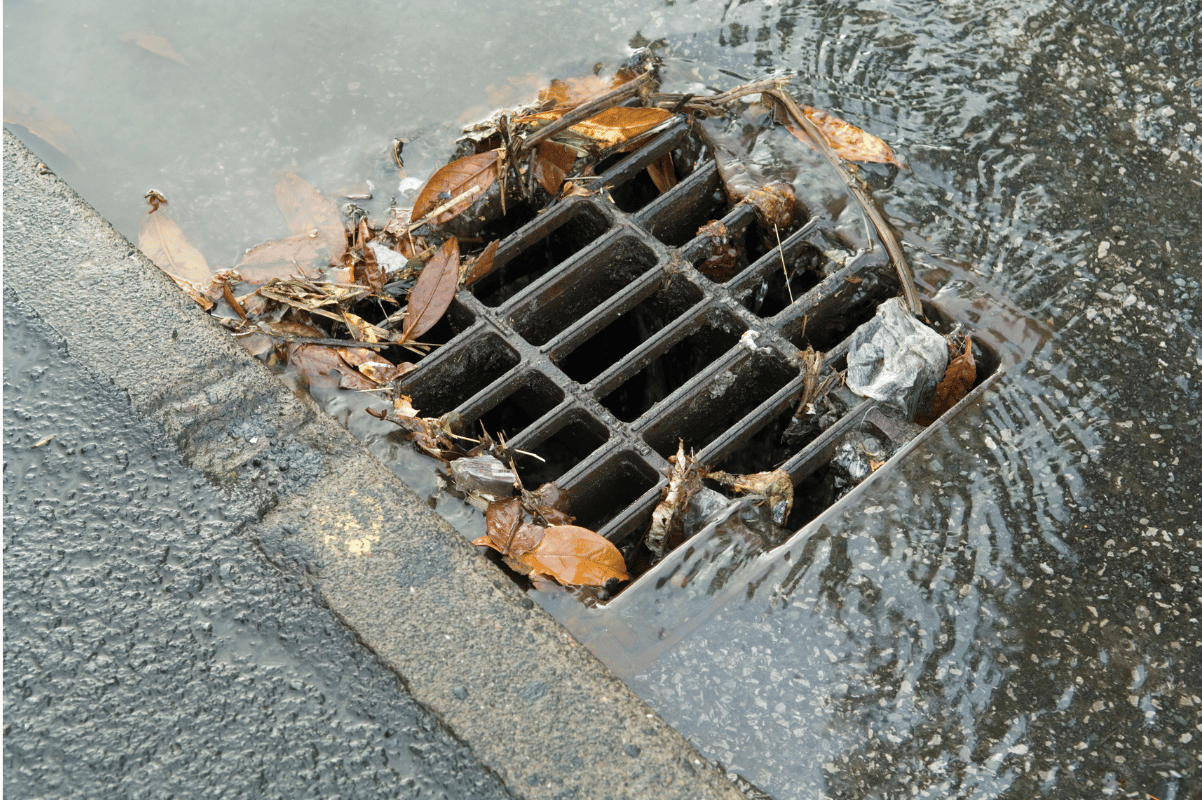
Snow, ice, leaves, and grit can obstruct surface drainage openings. A catch basin may be nearby, but water cannot reach it if its grate or approach is covered.
Watch for puddles that remain beside a drain while surrounding surfaces begin to dry.
Low Spots in Pavement or Walkways
Settled paving stones, depressions in asphalt, and uneven concrete can hold water after the rest of the surface drains.
If ice repeatedly forms in the same place, photograph the area during a thaw. The puddle’s location and shape can help a contractor investigate the underlying problem.
Downspouts Emptying Across Walking Routes
Roof runoff can feed a recurring icy patch when a downspout discharges onto a driveway, entrance, or walkway.
Check where the outlet directs water. An extension needs a suitable discharge location and should not create a trip hazard or move the drainage problem onto neighbouring property.
Inspect During the Melt, Before the Freeze
The best time to understand a drainage problem is while water is moving. From a secure, accessible location, trace the wet area back towards its source.
Check:
- Where meltwater leaves snow piles.
- Whether it crosses entrances, steps, or pedestrian routes.
- Whether drain openings and their approaches are clear.
- Where puddles remain after nearby pavement dries.
- Whether downspouts contribute to recurring wet patches.
Mark problem locations on a simple property sketch. For commercial sites, share these observations with the maintenance team so evening and early-morning inspections cover the right areas.
Snow removal in Kitchener should include planning for snow storage and meltwater movement, especially where piles sit near busy entrances or uphill from pedestrian routes.
What You Can Do Before Temperatures Drop
Restore Existing Drainage Routes
Where it is safe, remove loose snow, slush, and surface debris that obstruct the property’s established drainage paths. Focus on allowing water to reach its intended outlet.
Do not lift catch basin covers or attempt to clear underground blockages yourself. Report blocked public drains to the municipality and have private drainage problems assessed by an appropriate contractor.
Remove Slush From High-Traffic Areas
Slush left at doorways, steps, and walkway junctions can freeze into uneven patches. Clear it before the temperature drops, paying particular attention to areas where people turn, step down, or carry deliveries.
Avoid pushing it into a nearby low spot where the same water will collect again.
Reconsider Snow Pile Locations
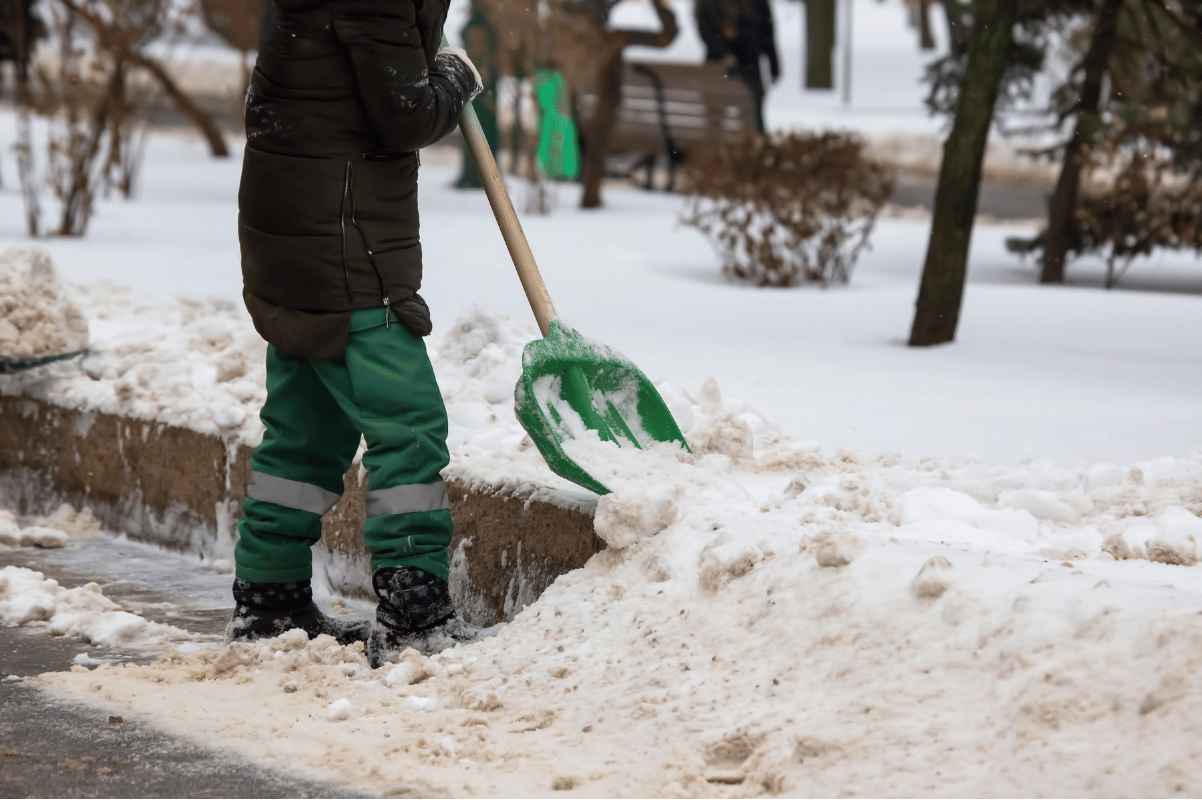
If a pile repeatedly sends water across an entrance, discuss a different storage location with your snow removal contractor.
A suitable location should account for runoff, visibility, pedestrian access, and drainage infrastructure. Moving a pile a short distance without considering the slope may leave the problem unresolved.
Treat Existing Ice Appropriately
Use a de-icing product suited to the surface and expected temperature, following its label directions. More product is not a substitute for correcting water that continually flows across the area.
Where an icy section cannot be made usable promptly, restrict access and provide a safer alternative route where possible. Recheck the area as conditions change.
When the Problem Needs a Permanent Repair
Recurring ice in one location deserves investigation beyond repeated clearing and treatment.
Depending on the cause, repairs might involve adjusting settled pavers, correcting a pavement depression, repairing drainage infrastructure, or redirecting roof runoff to a suitable outlet.
Have the cause assessed before choosing a solution. Adding a drain will not necessarily help if the surface slopes away from it or the outlet cannot carry water away.
Keep photographs and brief notes during winter. Record where water starts, where it collects, and whether the issue follows melting snow, rainfall, or both. These observations make later repair planning more precise.
Plan for Tomorrow Morning’s Conditions
A cleared property still needs attention when snow is melting and temperatures are falling. Before finishing the day, check wet entrances, recurring puddles, drainage openings, and runoff from snow piles.
The key question is simple: where will today’s meltwater go?
Following that water, keeping its intended route open, and addressing recurring drainage defects can help reduce the icy patches waiting outside the next morning.
