
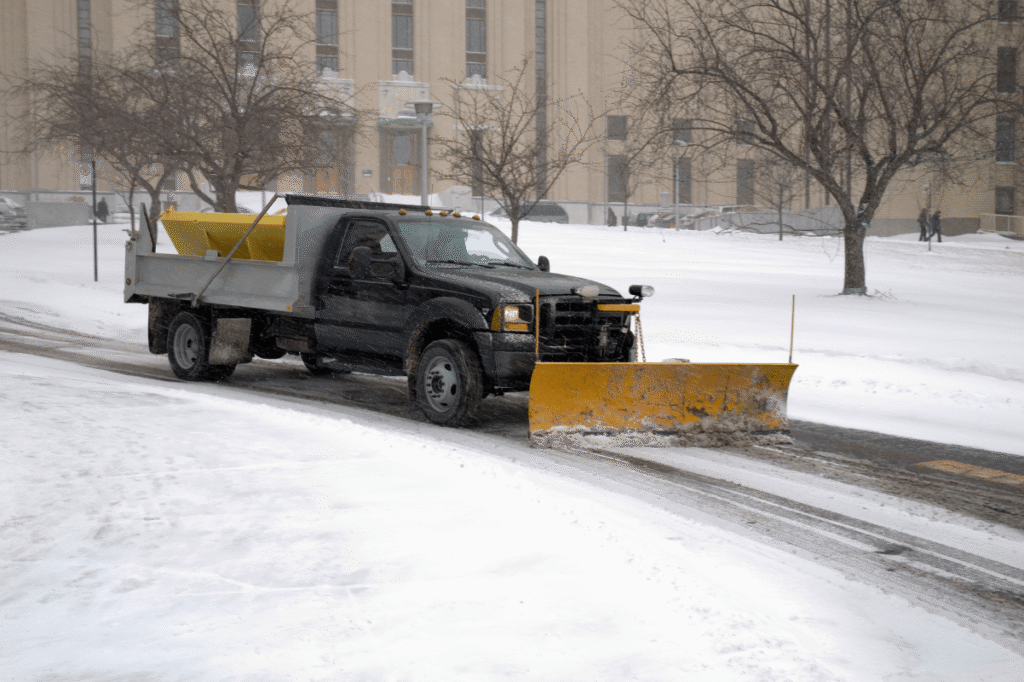
A parking lot can look manageable after a winter storm, even when large amounts of snow have already been pushed into piles along the edges. At first, these piles may seem like a convenient way to clear driving lanes and parking spaces. The problem is that they can grow quickly with every additional snowfall.
For commercial properties, oversized snow piles can reduce parking capacity, block sightlines, interfere with drainage and create safety concerns. When there is simply no room left on the property, off-site snow hauling can become a practical solution.
Why Parking Lot Snow Piles Become a Problem
Snow takes up more space than many property managers expect. A moderate snowfall across a large parking lot can produce a surprisingly large volume once it is ploughed, pushed and compacted.
As more storms arrive, existing piles continue to grow. Eventually, a property may have limited space for storing additional snow.
Common problems include:
- Reduced parking availability
- Narrower driving lanes
- Blocked entrances and exits
- Poor visibility near intersections
- Snow blocking fire routes or access areas
- Restricted access to loading zones
- Drainage problems during warmer weather
- Increased risk of ice forming around melting snow
Snow piles can also become extremely dense after repeated ploughing and freezing. Moving them later may require more equipment, time and labour than handling the snow when it was first cleared.
How Large Snow Piles Affect Parking Capacity
Parking spaces are valuable, particularly for retail centres, apartment buildings, office properties and industrial sites.
When snow is repeatedly pushed into available parking spaces, the property can gradually lose usable capacity. Even if the snow occupies only a few spaces at a time, the lost area can become significant after several storms.
This can lead to frustrated customers, employees parking farther away and increased pressure on remaining spaces.
Property managers should monitor snow storage areas throughout the season rather than waiting until the lot becomes overcrowded.
When On-Site Snow Storage Stops Making Sense
Keeping snow on-site can work when a property has enough designated storage space and the piles do not interfere with normal operations.
However, off-site hauling may make sense when:
- Snow piles are taking up too many parking spaces.
- Ploughed snow is blocking important access routes.
- Piles are becoming too high and affecting visibility.
- There is no safe location left to store additional snow.
- Snow is interfering with drainage systems.
- The property needs to maintain full parking capacity.
- More snow is expected and storage space is already limited.
The decision should be based on both current conditions and the remaining winter forecast.
What Is Off-Site Snow Hauling?
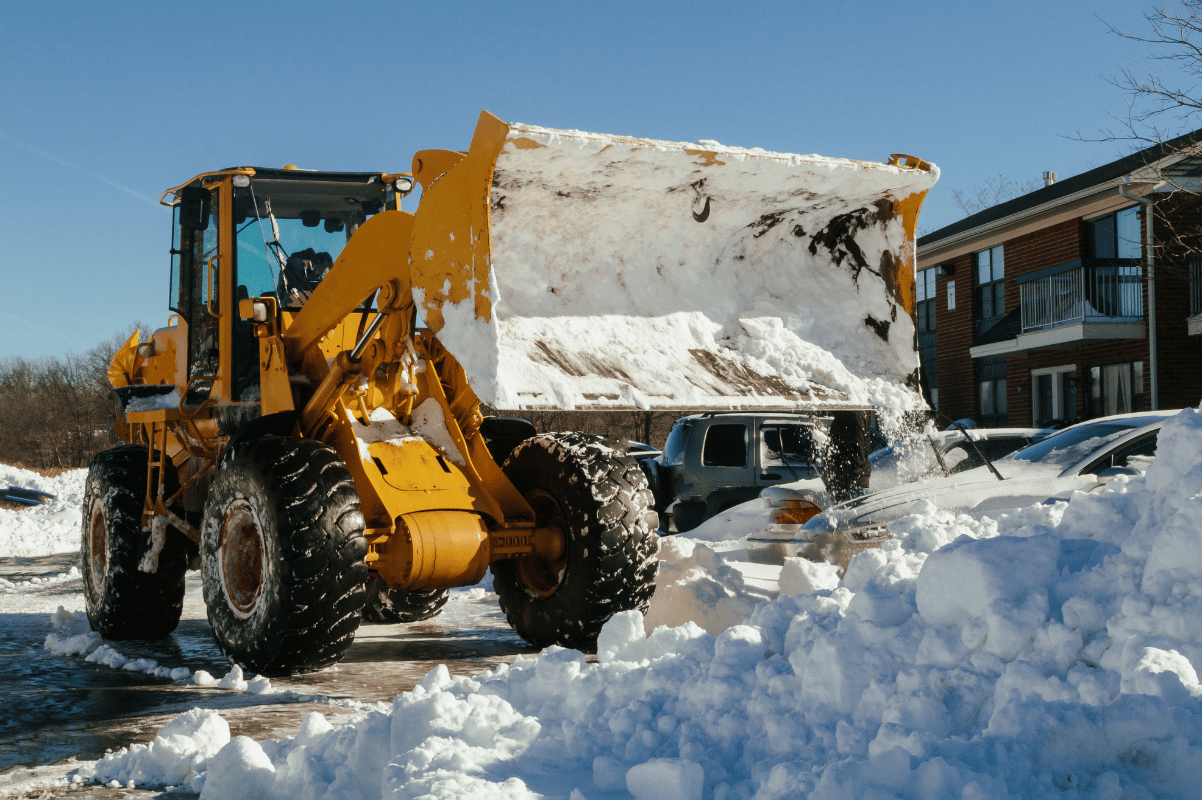
Off-site snow hauling involves loading accumulated snow onto trucks and transporting it to an approved snow disposal or storage location.
Instead of repeatedly pushing snow into larger piles on the property, contractors remove the accumulated material entirely.
The process commonly involves:
- Gathering snow into accessible loading areas
- Loading snow with appropriate equipment
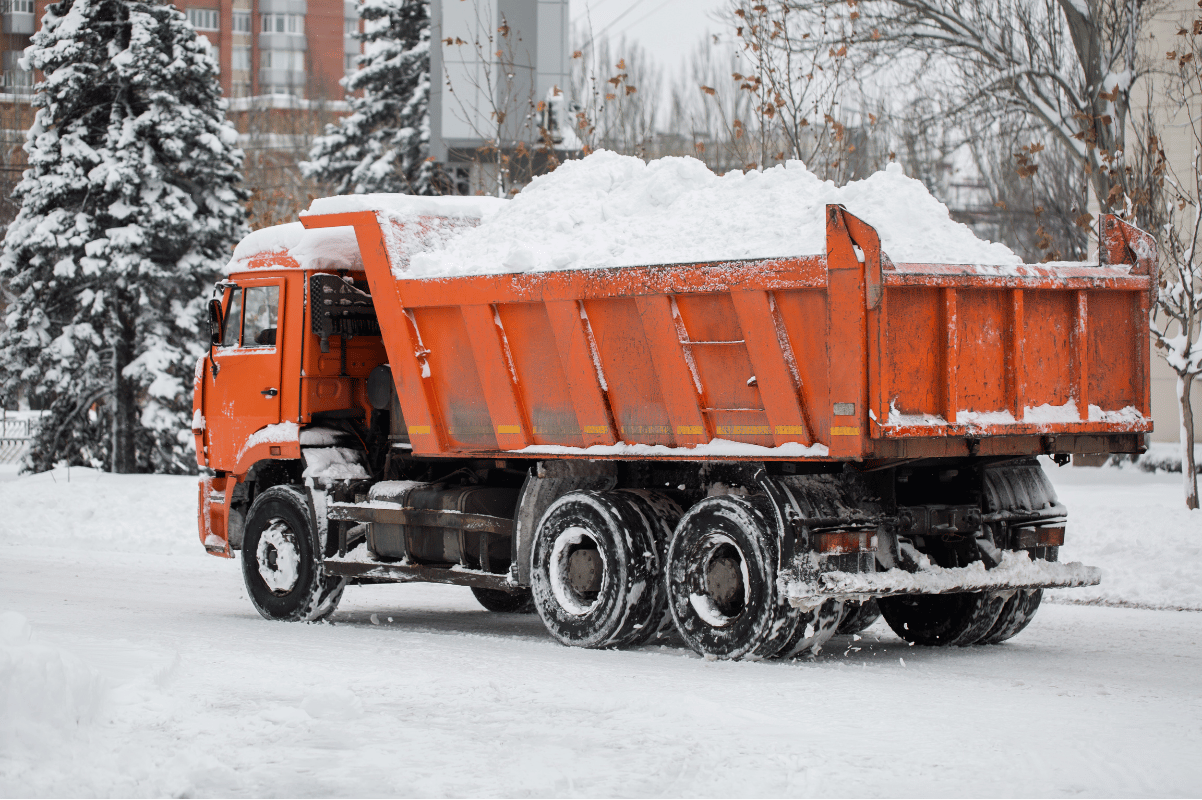
- Transporting snow using dump trucks or other suitable vehicles
- Disposing of or storing snow at an approved location
- Cleaning the affected areas after removal
The exact process depends on the property’s layout, snow volume, equipment access and local requirements.
Why Timing Matters
Waiting until snow piles become extremely large can make removal more difficult.
Large, compacted piles may freeze solid, making them harder to break apart and load. They can also become surrounded by parked vehicles, curbs, landscaping features or other obstacles.
For businesses requiring Snow removal in Kitchener, planning ahead can help property managers identify when regular on-site snow storage is no longer practical. Arranging hauling before storage areas become completely overwhelmed can make the operation more manageable.
Timing is especially important after multiple storms occur close together. A property may have enough room after one snowfall but reach its storage limit after the next few events.
Signs You May Need Snow Hauling
Not every snow pile requires immediate removal. Look for specific warning signs that indicate the property is running out of practical storage space.
Parking spaces are disappearing
If snow piles are consuming a noticeable number of spaces, hauling may help restore usable parking capacity.
Visibility is becoming restricted
High piles near driveways, intersections and pedestrian routes can make it harder for drivers and pedestrians to see one another.
Snow is blocking drainage
As temperatures rise, melting snow needs somewhere to go. Piles positioned over or near drainage areas can contribute to water accumulation and refreezing.
Ploughing has nowhere to go
If equipment operators have to keep pushing snow into the same crowded areas, it may be time to remove some of the accumulated material.
The next storm could create a serious problem
Waiting until there is no space left can make the next snowfall much harder to manage. Proactive hauling can create room for future accumulation.
Snow Hauling for Different Commercial Properties
The need for off-site hauling varies depending on the type of property.
Retail centres: Customer parking is essential, so losing spaces to snow piles can directly affect accessibility.
Apartment and condominium properties: Residents need reliable access to parking areas, entrances and pedestrian routes throughout winter.
Office buildings: Limited parking can create daily inconvenience for employees and visitors.
Industrial properties: Snow storage can interfere with loading docks, truck routes and employee parking.
Medical and service facilities: Clear access and parking are particularly important for visitors and staff.
Planning Ahead Can Reduce Winter Disruptions
Snow management should not be treated as a one-time response to each storm. Commercial property managers can benefit from having a plan for where snow will go as accumulation increases.
Before winter arrives, identify potential storage areas, consider how much parking must remain available and determine when hauling should be triggered.
It is also useful to consider equipment access. A snow pile may be easy to remove when there is plenty of room around it but much harder to load once vehicles, barriers or additional snow restrict access.
The Bottom Line
Parking lot snow piles can become a serious operational problem faster than expected. What starts as a convenient storage solution can eventually reduce parking capacity, block access, restrict visibility and create drainage concerns.
Off-site snow hauling makes the most sense when available storage space is becoming limited or when accumulated snow is interfering with normal property operations.
By monitoring snow piles throughout the winter and planning for removal before space runs out, property managers can keep parking areas more functional and prepare the property for the next major snowfall.
