
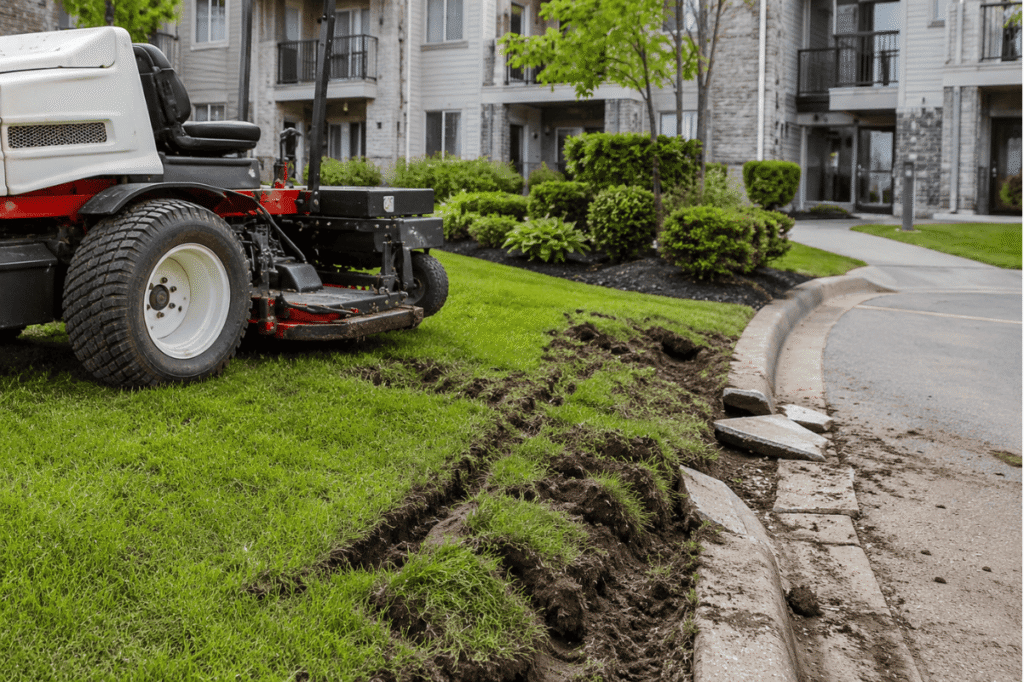
Landscaping work is a normal part of regular condo landscaping and property maintenance. Mowers, trimmers, snow blowers, skid steers, and other equipment are often used around parking areas, walkways, gardens, and building entrances.
But what happens when that equipment damages condo property?
A cracked walkway, broken fence, damaged siding, scratched vehicle, or damaged landscaping can quickly lead to an uncomfortable question: Who is responsible for paying for the repairs?
The answer depends on what was damaged, who caused the damage, and what agreements are in place between the condo corporation and the landscaping contractor.
Start by Identifying What Was Damaged
The first step is to document the damage.
Take clear photos and videos showing the affected area. Try to capture the equipment marks, damaged property, and surrounding area. If possible, record the date and time when the damage was noticed.
For example, a landscaping machine may damage:
- A concrete curb or walkway
- Fence panels or gates
- Grass or garden beds
- Exterior siding
- Parking areas
- Outdoor lighting
- Irrigation systems
- A resident’s vehicle
The type of damage can help determine who should handle the claim.
When the Landscaping Company May Be Responsible
If a contractor damages condo property while performing its work, the contractor may be responsible for the damage, particularly when the damage resulted from careless operation or failure to follow reasonable precautions.
For example, suppose a landscaping crew drives a heavy machine over an area that was not designed for that equipment and cracks the surface. The condo corporation may have grounds to seek compensation from the contractor.
A professional landscaping company in Kitchener should normally have appropriate insurance coverage for accidental property damage. The condo corporation or property manager can request the contractor’s insurance information when necessary.
However, responsibility is not automatically established just because the damage happened while the contractor was working. The circumstances and contract matter.
Check the Landscaping Contract
The landscaping agreement is one of the most important documents to review.
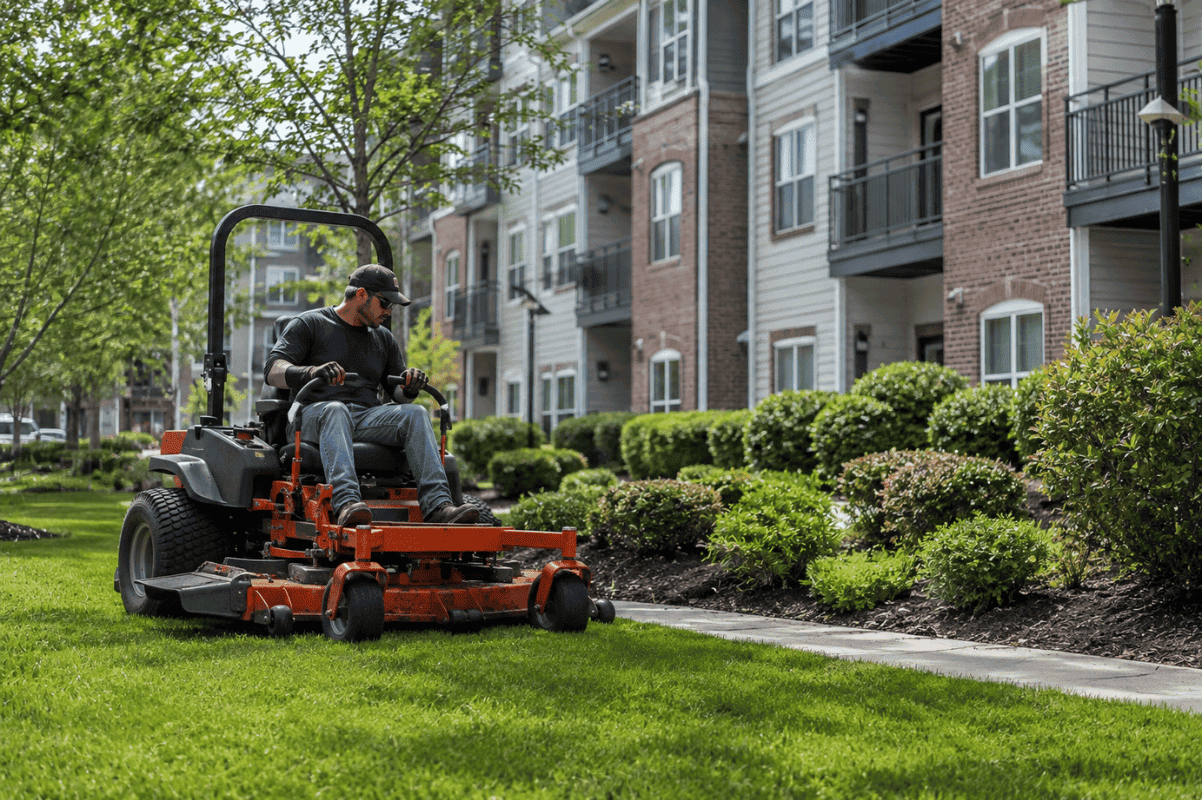
Many condo corporations hire contractors under written agreements that outline responsibilities for property damage, insurance, equipment use, and repairs.
The contract may explain:
- Who is responsible for accidental damage
- What insurance the contractor must carry
- How damage claims should be reported
- Who must arrange repairs
- Whether certain types of damage are excluded
This is why condo boards should carefully review contracts before hiring condo landscaping contractors in Kitchener.
A clear contract can make a damage dispute much easier to handle.
What If the Condo Corporation Is Responsible?
Not every landscaping-related incident is automatically the contractor’s fault.
Sometimes the condo corporation may have property maintenance responsibilities for certain areas or for providing safe areas for contractors to operate.
For example, if a contractor is following the agreed instructions and equipment damages an area because of an existing structural problem, the situation may be different from a contractor simply operating equipment carelessly.
The condo corporation’s insurance may also become relevant depending on the type and extent of the damage.
What If a Resident’s Vehicle Is Damaged?
Vehicle damage can make the situation more complicated.
Imagine a landscaping machine accidentally hits a parked vehicle while clearing a condo parking area. The vehicle owner should photograph the damage and report the incident to the property manager or condo corporation as soon as possible.
The contractor’s insurance may become involved if the contractor caused the damage. The vehicle owner’s own auto insurance may also need to be notified, depending on the circumstances and applicable policy.
Avoid agreeing to a repair amount or accepting responsibility on behalf of another party before the facts have been reviewed.
Snow and Landscaping Equipment Require Extra Care
Winter maintenance can create additional risks because large machines may operate around parked vehicles, curbs, walkways, and entrances.
For a condo corporation arranging commercial snow removal in Kitchener, it is important to choose a contractor that understands equipment access, property boundaries, pedestrian areas, and parking conditions.
Clear instructions can reduce the chance of damage before work begins. Contractors should also know where equipment can safely operate and where obstacles such as curbs, planters, signs, and underground features may be located.
What Should You Do After Damage Occurs?
If landscaping equipment damages your condo property, take action quickly.
First, photograph and document the damage. Next, notify the property manager or condo board. If you witnessed the incident, write down what happened while the details are still fresh.
The condo corporation should then contact the landscaping contractor and review the service agreement.
If the contractor accepts responsibility, the parties can discuss the repair process and insurance claim. If responsibility is disputed, the condo corporation may need to obtain repair estimates and seek professional advice.
Get Repair Estimates
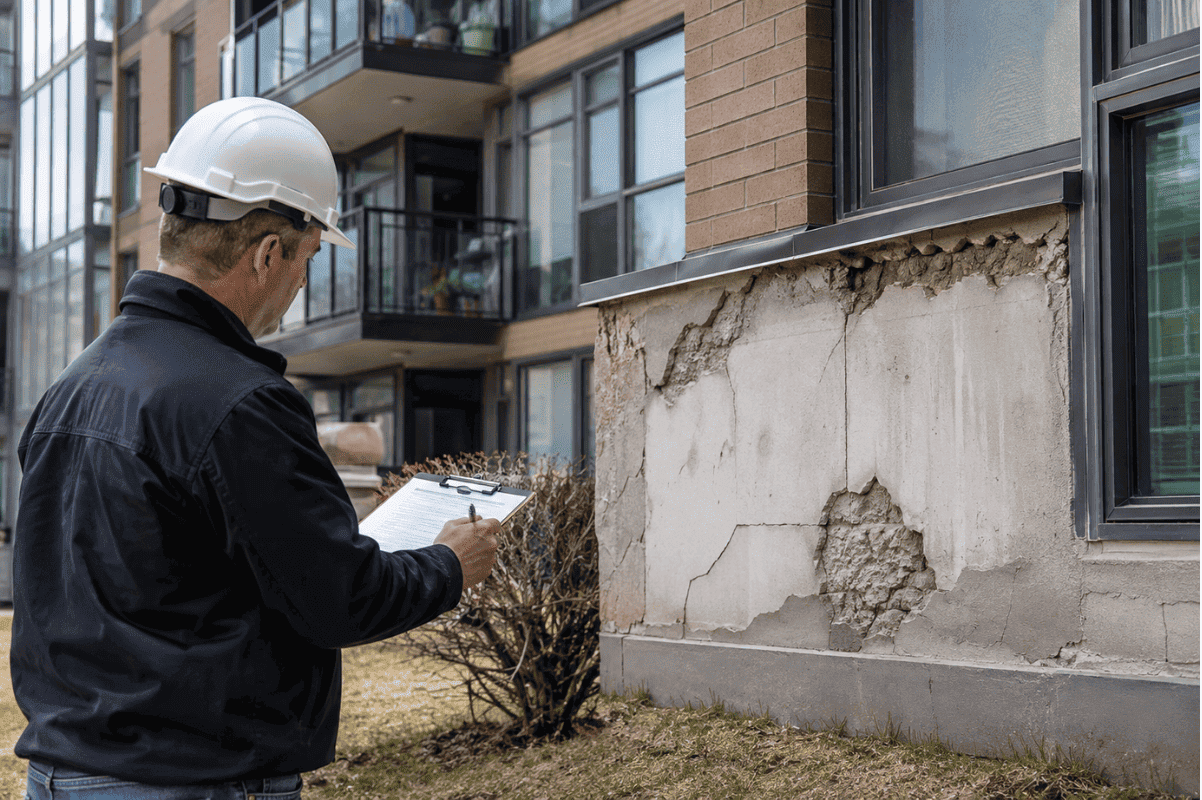
A repair estimate can help establish the financial impact of the damage.
For minor damage, one estimate may be enough to understand the likely repair cost. For larger damage, getting multiple estimates can provide a better picture of the actual cost.
Keep copies of invoices, photographs, reports, emails, and other documents connected to the incident.
Good documentation can make communication with the contractor and insurance company much easier.
How Condo Boards Can Prevent Equipment Damage
Prevention is usually easier than resolving a property damage dispute.
Before landscaping work begins, condo managers and boards should identify sensitive areas and communicate equipment restrictions to contractors.
It can also help to:
- Mark fragile areas clearly
- Identify underground or hidden features
- Establish equipment access routes
- Keep vehicles away from active work areas
- Review the contractor’s insurance requirements
- Keep a written record of reported damage
- Make sure the contract clearly addresses property damage
These simple steps can reduce misunderstandings and protect both the condo corporation and the contractor.
So, Who Pays?
There is no single answer for every landscaping equipment damage claim.
If a contractor causes damage through negligent or improper work, the contractor may be responsible. If the issue involves existing property conditions, maintenance responsibilities, or another cause, the condo corporation or another party may have responsibility.
The landscaping contract, insurance policies, evidence, and circumstances of the incident should all be considered before deciding who pays.
When the amount involved is significant or responsibility is disputed, a condo corporation or property owner should consider getting advice from an appropriate insurance or legal professional.
The most important step is to document the damage quickly and establish what happened before assigning responsibility. A clear record can help everyone reach a fair resolution while avoiding unnecessary disputes.
