
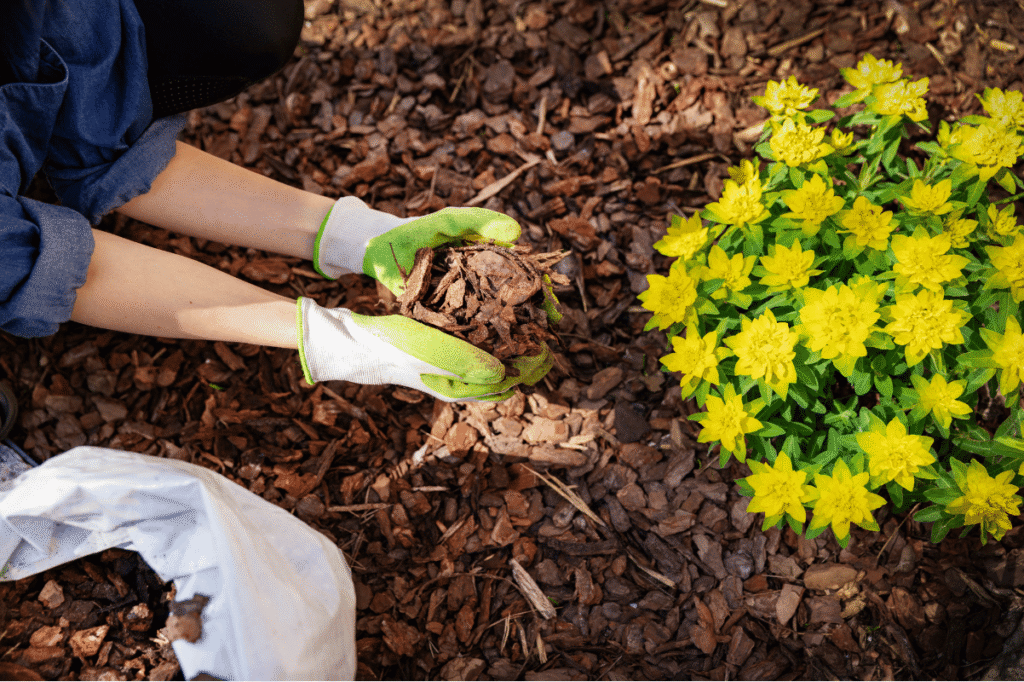
Mulch is one of the easiest ways to improve the health and appearance of your landscape. It helps retain moisture, reduces weeds, protects plant roots from temperature changes, and gives flower beds a clean, finished look. The challenge for many homeowners is knowing how much mulch to buy. Too little leaves bare patches, while too much can waste money and even harm your plants.
This guide explains how to calculate the right amount of mulch for your garden beds so you can complete your project with confidence.
Why the Right Amount of Mulch Matters
Applying the correct depth of mulch does more than improve curb appeal. It creates better growing conditions for trees, shrubs, flowers, and perennial plants.
A proper layer of mulch can:
- Reduce water evaporation from the soil
- Slow weed growth
- Keep soil temperatures more consistent
- Reduce erosion during heavy rain
- Improve soil quality over time when using organic mulch
Applying too much mulch, however, can trap excessive moisture around plant stems and tree trunks, increasing the risk of rot and disease.
Measure Your Garden Beds First
Before buying mulch, measure the length and width of each garden bed.
For rectangular or square beds:
Length × Width = Square Footage
Example:
- Length: 20 feet
- Width: 6 feet
20 × 6 = 120 square feet
For circular beds, use the formula:
3.14 × Radius × Radius
If your beds have unusual shapes, divide them into smaller rectangles or circles, calculate each section separately, then add the totals together.
Decide on the Right Mulch Depth
The depth depends on the purpose of the mulch and the type of plants.
General recommendations include:
- 2 inches for annual flowers and vegetable gardens
- 2 to 3 inches for perennial beds
- 3 inches for trees and shrubs
- Avoid exceeding 4 inches in most landscape beds
More is not always better. Thick layers can prevent water and oxygen from reaching plant roots.
Calculate How Many Cubic Yards You Need
Mulch is usually sold in cubic yards for bulk orders or cubic feet for bags.
To calculate cubic yards:
Square Footage × Depth (in inches) ÷ 324 = Cubic Yards
Example:
120 square feet × 3 inches ÷ 324 = 1.11 cubic yards
In this case, ordering approximately 1.25 cubic yards provides enough material while allowing for slight settling.
How Many Bags of Mulch Should You Buy?
If you are purchasing bagged mulch, check the bag size.
Most garden centres sell bags containing 2 cubic feet.
One cubic yard equals 27 cubic feet.
Example:
1 cubic yard ÷ 2 cubic feet per bag
27 ÷ 2 = approximately 14 bags
Buying one or two extra bags can be helpful if your measurements are close to the next full bag.
Different Types of Mulch
Choosing the right mulch is just as important as calculating the quantity.
Wood Chips
Wood chips are long lasting and work well around trees, shrubs, and larger landscape beds.
Shredded Bark
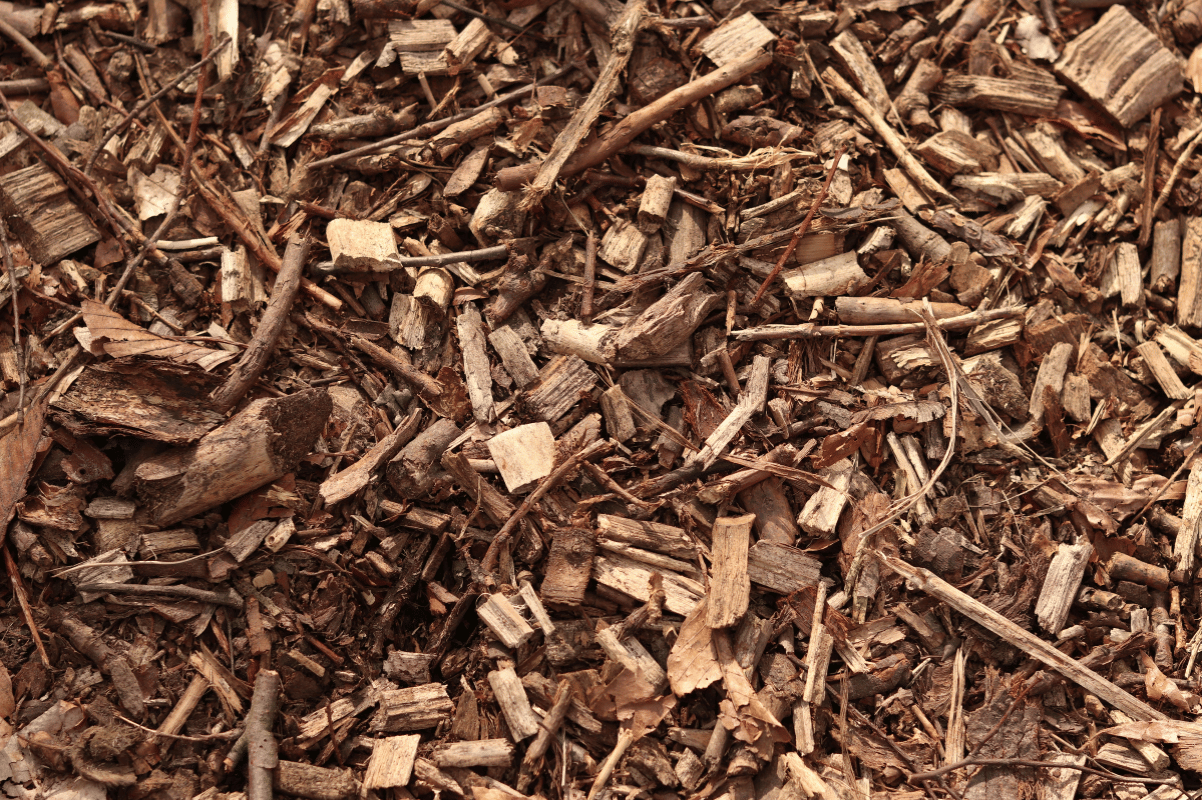
Shredded bark stays in place well and provides a natural appearance that suits many residential gardens.
Cedar Mulch
Cedar mulch has a pleasant scent and naturally resists insects, making it a popular choice for decorative gardens.
Compost
Compost improves soil health while providing light weed suppression. It works particularly well in vegetable gardens.
Stone or Gravel
Stone mulch lasts much longer than organic mulch but does not improve soil quality. It is commonly used around pathways, decorative borders, and low maintenance landscapes.
Should You Replace Mulch Every Year?
Not necessarily.
Organic mulch gradually breaks down, which is actually beneficial because it adds nutrients to the soil. Instead of removing all the old mulch each spring, simply loosen the existing layer and top it up where needed.
Many homeowners only need to add one inch of fresh mulch annually to maintain the recommended depth.
A well-maintained landscape also benefits from regular spring and fall cleanup. Property owners who already work with a commercial landscaping service in Kitchener often schedule mulch installation alongside spring cleanups, edging, and planting to keep garden beds looking their best throughout the growing season.
Common Mulching Mistakes
Avoid these common errors:
- Piling mulch against tree trunks, often called “mulch volcanoes”
- Applying mulch deeper than four inches
- Forgetting to control weeds before spreading mulch
- Ignoring landscape fabric that may block water movement
- Estimating instead of measuring garden beds
A few extra minutes spent measuring can save both time and money.
Tips for Getting the Best Results
Spread mulch evenly using a rake rather than dumping large piles in one spot. Leave a small gap around plant stems and tree trunks to improve air circulation. Water the mulch lightly after installation to help it settle into place.
If you are installing mulch over several large garden beds, consider ordering bulk mulch instead of individual bags. Bulk deliveries are often more economical for larger landscaping projects.
Knowing how much mulch you need starts with accurate measurements and the right depth. Measure each garden bed, calculate the square footage, and use the recommended formula to determine the amount required. Whether you choose bark, cedar, wood chips, or compost, applying the correct amount helps your garden retain moisture, suppress weeds, and stay healthier throughout the season.
With a little planning, you can avoid overbuying, reduce waste, and give your landscape a professional, well-maintained appearance while helping your plants thrive year after year.
