
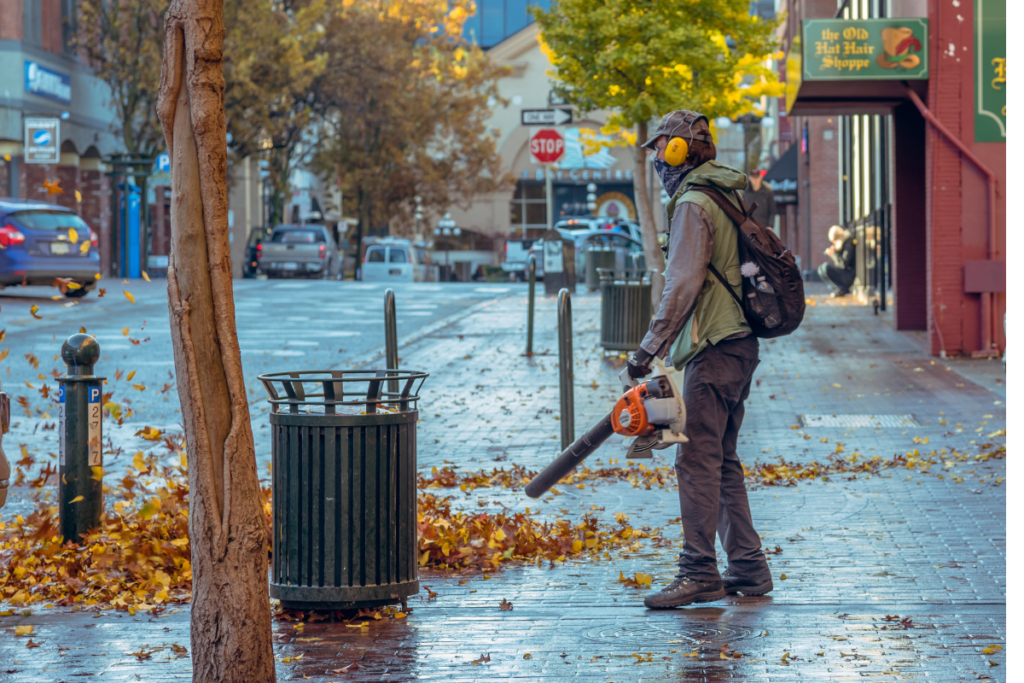
Winter in Kitchener often brings light snowfalls mixed with heavier storms, which leads many homeowners to look for quick and simple ways to clear their driveways and walkways. One common question is whether a leaf blower can be used to remove snow. The short answer is yes, but only in certain situations. For larger storms, scheduled snow removal services in Kitchener are usually more reliable than using a leaf blower alone. This guide explains when it works, when it does not, and what you should consider before relying on a leaf blower during a Kitchener winter.
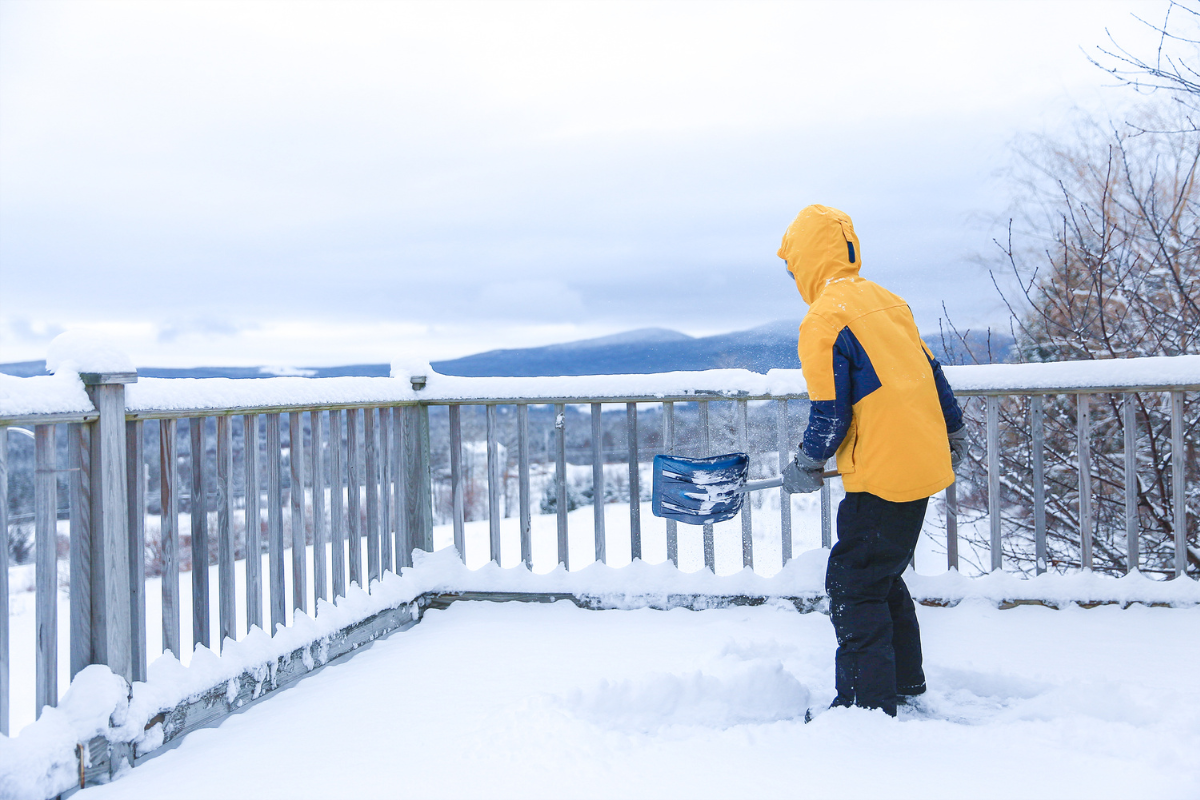
When a Leaf Blower Can Work for Snow Removal
A leaf blower can be useful for clearing snow if the conditions are right. It works best with very light, dry, powdery snow. This type of snow is common during early winter mornings or right after a light snowfall when temperatures are well below freezing.
In these conditions, a leaf blower can quickly clear:
- Front steps and porches
- Decks and patios
- Sidewalks and narrow walkways
- Light snow on driveways
Battery-powered and gas-powered blowers both work, but higher air speed is more effective than high air volume. Cordless electric models are usually enough for small areas and short jobs.
When a Leaf Blower Will Not Be Effective
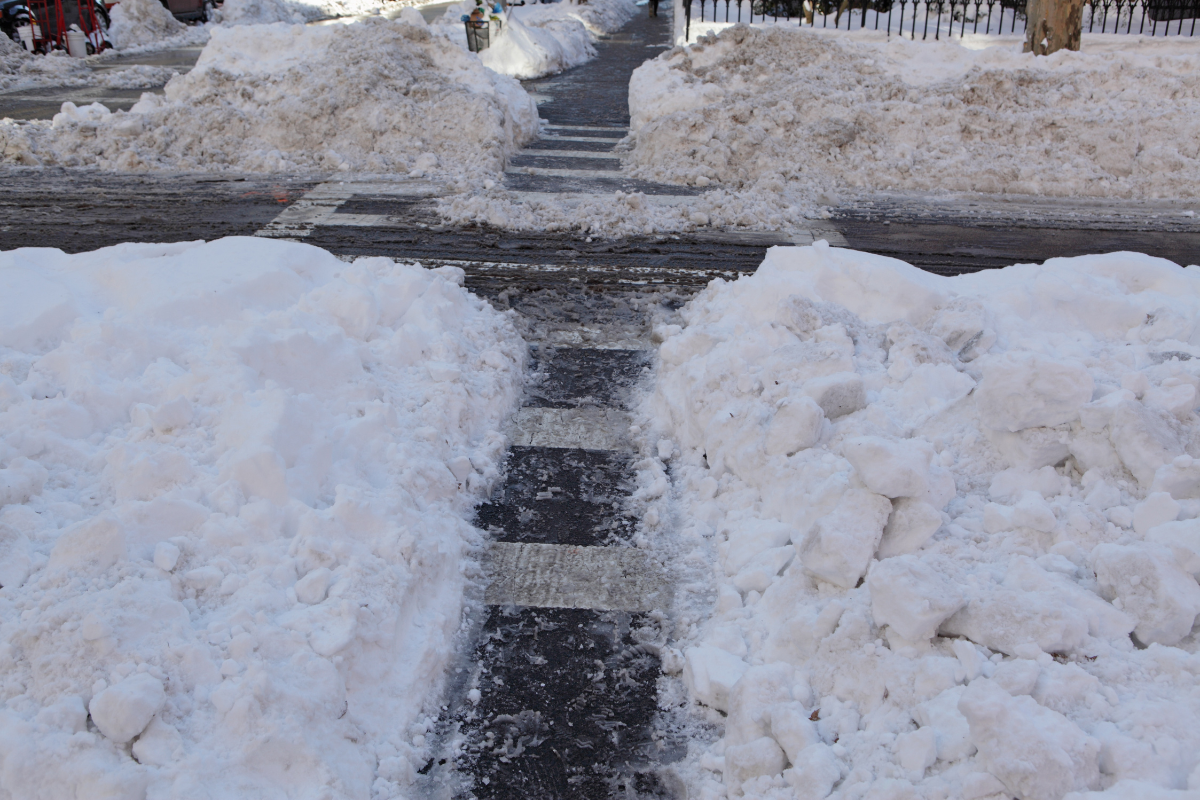
Kitchener winters are not always dry and fluffy. Snow often becomes wet, heavy, or compacted, especially after daytime melting and overnight freezing. In these situations, a leaf blower will struggle and may be completely ineffective.
Avoid using a leaf blower when:
- Snow is wet or slushy
- Snowfall is more than a few centimetres
- Snow has been walked or driven on
- Ice has formed underneath the snow
Trying to blow heavy snow can overwork the motor and reduce the lifespan of your equipment.
Safety Tips for Using a Leaf Blower in Winter
Using a leaf blower in cold weather requires extra care. Snow removal is different from clearing leaves, and safety should always come first.
Follow these tips:
- Wear insulated gloves with good grip
- Use non slip winter boots
- Keep the blower pointed away from people and vehicles
- Watch for hidden ice patches
- Avoid prolonged use in extremely cold temperatures
Battery-powered blowers may lose power faster in cold weather, so keep spare batteries warm indoors if possible.
Advantages of Using a Leaf Blower for Snow
For the right type of snowfall, a leaf blower offers several benefits:
- Faster than shovelling light snow
- No lifting or bending required
- Helps prevent back strain
- Clears snow without scraping surfaces
This makes it a good short-term solution for early winter snowfalls or quick cleanups before heading to work.
Limitations You Should Keep in Mind
While convenient, a leaf blower is not a replacement for proper winter snow clearing tools or planned year-round property care. It does not handle ice, heavy snow, or repeated accumulation well. Kitchener often experiences mixed precipitation and frequent freeze-thaw cycles, which makes conditions unpredictable.
For homeowners who want reliable and thorough snow clearing, especially during larger storms, professional equipment and scheduled clearing are far more effective.
What to Do When the Leaf Blower Is Not Enough
If your leaf blower cannot handle the snowfall, consider these options:
- Use a snow shovel designed for Canadian winters
- Apply ice melt after clearing light snow
- Clear snow early before it becomes compacted
- Combine tools, such as blowing light snow and shovelling the rest
For seniors, busy families, or property owners with large driveways, professional snow removal becomes the safest and most practical choice.
Using a leaf blower to remove snow in Kitchener can work under the right conditions, but it has clear limitations. It is best suited for light, dry snowfall and small areas. For heavier snow, ice, or ongoing driveway snow clearing without a shovel, relying solely on a leaf blower can lead to frustration and safety risks.
Understanding your local weather patterns and knowing when to switch from a DIY approach to professional help will save time, protect your property, and keep walkways safe throughout the winter season. You can also view snow removal project examples to see how proper clearing improves winter access.
