
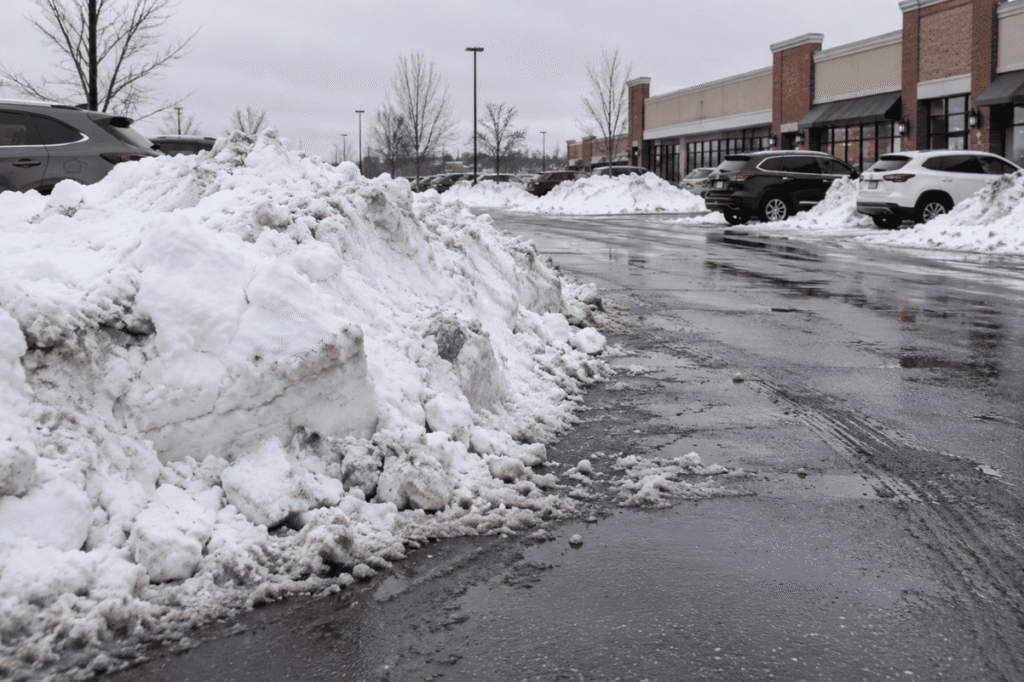
A Retail Plaza Can Have Freshly Plowed Parking Aisles And Still Be Difficult To Use. Customers May Struggle To See Around Snowbanks, Delivery Trucks May Block The Clearest Route, And Pedestrians May Have To Walk Behind Reversing Vehicles Because The Walkway Is Buried.
For Commercial Property Owners And Managers In Kitchener-Waterloo, The Goal Is More Than Moving Snow Off Pavement. It Is Keeping People, Vehicles, Deliveries, And Winter Maintenance Equipment Moving Through The Property With Fewer Conflicts. That Requires A Plan For How The Plaza Operates Before, During, And After A Snowfall.
Start With How People Actually Use The Property
Before Deciding Where A Plow Should Start, Look At How Traffic Moves Through The Plaza On A Normal Business Day.
Customers Usually Want The Shortest Route From The Entrance To A Parking Space And Then To A Storefront. Employees May Park Along The Perimeter. Delivery Drivers Need Room To Turn, Unload, And Leave. Pedestrians May Arrive From Public Sidewalks Without Entering Through A Vehicle Entrance.
These Movements Overlap. Snow Reduces The Available Space And Makes Existing Problems More Noticeable.
Walk The Property With A Site Plan Or An Aerial Image. Mark:
- Vehicle Entrances And Exits.
- Main Driving Aisles And Intersections.
- Storefront Walkways And Pedestrian Crossings.
- Accessible Parking Spaces And Their Adjacent Access Aisles.
- Loading Areas And Waste Collection Points.
- Existing Snow Storage Locations.
- Places Where Vehicles Queue Or Reverse.
Ask Tenants Where Congestion Already Happens. A Busy Takeaway Restaurant May Have Different Access Needs From A Business That Operates Mainly By Appointment.
Set Clearing Priorities Around Access
Treating Every Part Of The Parking Lot As Equally Urgent Can Leave Important Connections Unusable While Less Important Areas Are Already Clear.
A Better Approach Is To Agree On A Clearing Sequence Before Winter.
Open The Essential Connections First
The First Priority Is Establishing A Usable Route Into, Through, And Out Of The Property, Together With Access To Occupied Buildings.
A Practical Starting Sequence Is:
- Open Vehicle Entrances And Exits.
- Establish A Continuous Main Driving Route.
- Clear Priority Pedestrian Connections And Accessible Routes.
- Open Parking Areas Needed For The Next Period Of Business Activity.
- Clear Secondary Spaces And Complete Detailed Cleanup.
This Is A Planning Framework. The Exact Sequence Should Reflect The Property Layout, Tenant Hours, Weather Conditions, And Available Equipment.
Vehicle And Pedestrian Crews May Need To Work At The Same Time. Opening Parking Spaces Without Clearing The Route To The Shops Leaves The Job Incomplete.
Plan For The Plaza’s Busiest Periods
A Plaza With Early Opening Businesses Needs A Different Schedule From One That Becomes Busy In The Evening.
Document Opening Hours, Delivery Windows, And Typical Customer Peaks. Use That Information To Identify When Major Plowing Is Most Practical And When Maintenance Should Focus On Keeping Existing Routes Usable.
Treat Snow Storage As A Traffic Decision
Snow Has To Go Somewhere. Choosing That Location Only After A Storm Begins Can Create Problems That Last Long After The Plow Leaves.
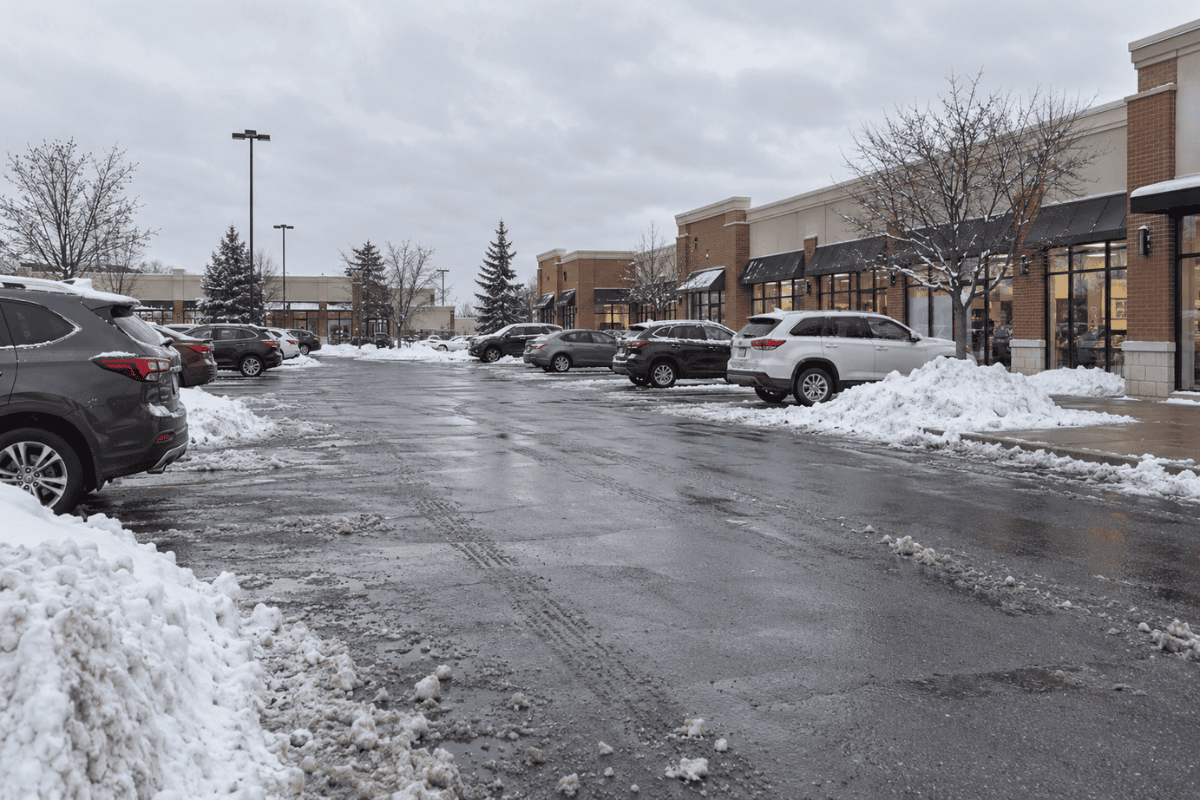
A Convenient Pile At The End Of An Aisle May Block A Driver’s View. A Bank Near A Storefront May Force Pedestrians Into Traffic. Snow Stored Beside A Loading Area May Remove The Turning Space A Delivery Vehicle Needs.
Identify Storage Areas Before The Season And Review Them As Accumulation Increases.
Protect Visibility And Turning Space
Assess Each Proposed Storage Location From Both A Driver’s And A Pedestrian’s Perspective.
Can A Driver Leaving The Plaza See Approaching Traffic? Can Someone Backing Out Of A Parking Space See A Person Walking Towards The Shops? Can A Delivery Vehicle Complete Its Turn Without Mounting A Curb Or Entering A Pedestrian Area?
Inspect These Locations After Plowing. A Storage Area That Works With A Small Pile May Become Unsuitable After Several Snowfalls.
Establish A Point For Relocation
Agree On Observable Conditions That Trigger A Review Of Snow Storage.
These Could Include A Pile Obstructing Visibility, Narrowing A Main Aisle, Blocking A Walking Route, Or Removing Space Needed For Deliveries.
Decide Who Can Authorize Relocation Or Hauling And How That Work Will Be Priced. This Avoids Delays When The Existing Storage Area Stops Working.
Keep Pedestrian Routes Continuous
Customers Experience The Property As A Complete Journey, From Their Arrival Point To The Business Entrance.
A Cleared Storefront Walkway Offers Limited Help If The Connection From The Parking Lot Remains Blocked.
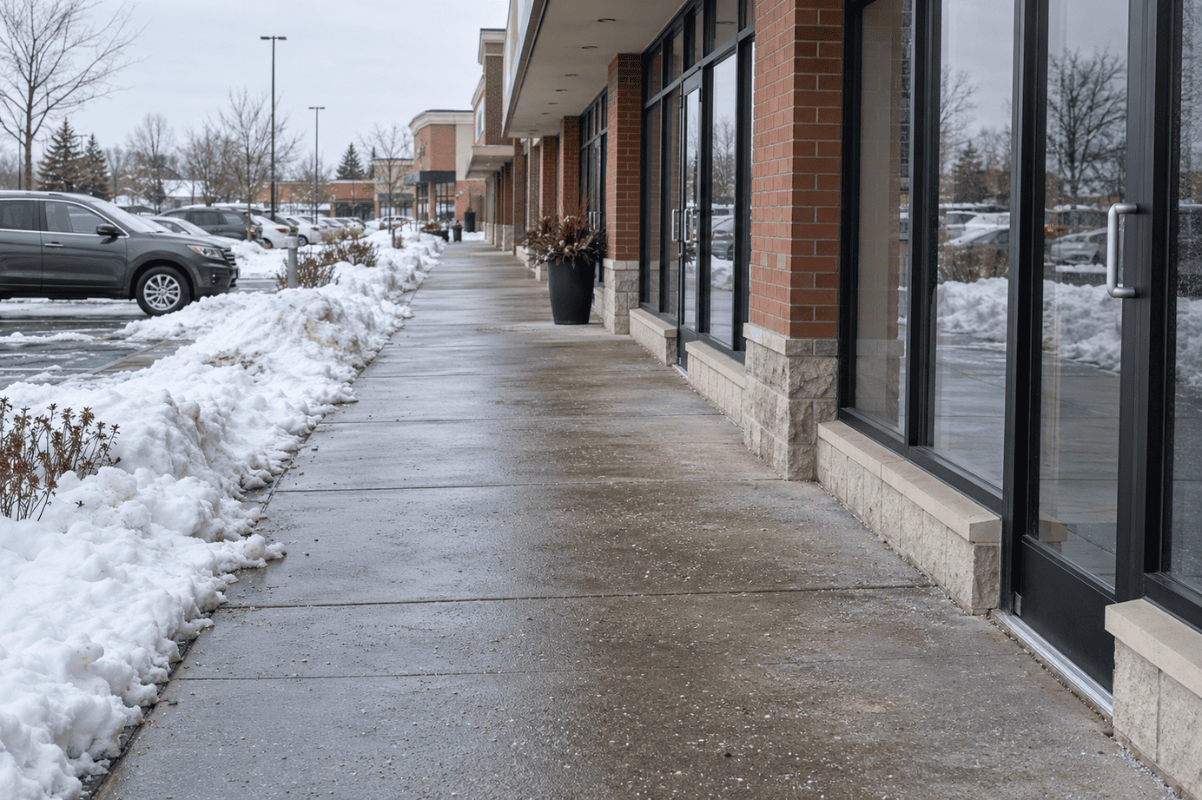
Check The Whole Route, Including Curb Ramps, Crossings, Entrance Landings, And Connections To Public Sidewalks. Pay Particular Attention To Narrow Gaps Between Parked Vehicles And Snowbanks.
Accessible Parking Spaces Also Need Their Adjacent Access Aisles Cleared. Those Areas Provide Room For People To Enter Or Exit Vehicles And Should Not Become Temporary Snow Storage.
Coordinate Plowing And Sidewalk Clearing So One Crew Does Not Undo Another Crew’s Work. A Plow Can Leave A Ridge Across A Recently Cleared Crossing. The Work Sequence Should Include A Final Check Of These Connections.
Coordinate Maintenance With Deliveries And Customer Traffic
Retail Plazas Often Remain Occupied While Snow Work Is Underway. The Operating Plan Must Account For Moving Vehicles And People.
For A Property Manager Comparing Options For Snow removal in Kitchener, A Useful Question Is How Each Contractor Will Maintain Customer Access While Equipment Is Working. The Answer Should Explain The Clearing Sequence, Communication Process, And Approach To Busy Areas.

Use Smaller Work Areas During Business Hours
Where The Layout Allows, Clear One Defined Section At A Time Instead Of Moving Unpredictably Across The Entire Lot.
Temporary Cones Or Other Suitable Controls Can Help Identify The Active Work Area. Their Placement Should Keep Entrances, Accessible Routes, And Essential Access Usable.
Avoid Creating A Situation Where Customers Must Guess Whether To Drive Behind A Reversing Machine Or Through A Partly Cleared Area.
Arrange Around Known Deliveries
Ask Tenants For Regular Delivery Windows And Share Relevant Details With The Maintenance Provider.
For Example, A Delivery Truck Arriving Before A Grocery Store Opens May Need Its Loading Approach Cleared Before The Main Customer Parking Area. An Evening Food Business May Need Another Access Check Before Its Busiest Period.
Where Delivery Times Change, Establish A Simple Way For Tenants To Notify Property Management.
Manage Parked Cars And Incomplete Areas
Parked Vehicles Prevent Complete Clearing. Ignoring This Limitation Can Leave Narrow Spaces, Uneven Snow Ridges, And Confusing Driving Paths.
If Employees Arrive Before Maintenance Is Finished, Consider A Designated Parking Section That Allows Another Area To Be Cleared First. Confirm The Arrangement With Tenants And Explain When Vehicles Should Move.
For Customer Parking, Avoid Assuming That Every Space Can Be Cleared During A Single Visit. Agree On How Missed Areas Will Be Recorded And When They Will Be Revisited.
A Contractor’s Completion Message Should Identify Any Sections That Remain Obstructed. Property Management Can Then Arrange Access Or Schedule Follow-Up Work.
This Is More Useful Than A General Statement That The Lot Has Been Plowed.
Address Meltwater And Refreezing Along Travel Routes
Traffic Planning Continues After Snow Stops Falling.
When Temperatures Rise And Then Drop, Water From Snowbanks Can Cross Walking Routes Or Driving Aisles And Refreeze. A Lot That Appeared Usable Earlier May Need Attention Again.
During Inspections, Look For:
- Water Running Across Storefront Walkways.
- Puddles At Curb Ramps And Crossings.
- Snow Covering Surface Drainage Inlets.
- Wet Areas Near Entrance Landings.
- Meltwater Flowing From Storage Piles Into Busy Routes.
Report Recurring Locations To The Maintenance Provider. They May Require Changes To Snow Placement, Additional Monitoring, Or Treatment Appropriate To The Conditions.
Where A Drainage Problem Repeatedly Affects Winter Access, Record It For A Separate Property Maintenance Review. Repeated Surface Treatment Does Not Resolve The Underlying Drainage Issue.
Define Responsibilities Before A Storm
Even A Well-Planned Clearing Sequence Can Fail If Nobody Knows Who Is Responsible For The Last Few Metres.
The Snow Contractor May Clear The Main Lot While Another Crew Handles Walkways. Tenants May Look After Their Own Doorways. Without Clear Boundaries, Gaps Can Remain Between These Areas.
Create A Written Responsibility List Covering:
- Main Lot Plowing.
- Storefront Walkways And Entrance Landings.
- Pedestrian Crossings And Curb Ramps.
- Accessible Parking Areas.
- Loading And Waste Collection Access.
- Surface Treatment And Follow-Up Inspections.
- Snowbank Relocation Or Removal.
Identify Who Receives Service Updates And Who Can Request Additional Work.
Give Tenants One Reporting Contact. Ask Them To Provide The Exact Location, The Observed Problem, And A Photograph When Practical. The Crossing Beside Unit Four Is Blocked Is Easier To Act On Than The Lot Needs Attention.
Inspect The Property As A Customer Would
A Completion Check Should Assess Whether The Plaza Functions, Along With Whether Snow Has Been Moved.
Drive Into The Property Through Each Entrance When Practical. Then Walk From Representative Parking Areas To The Storefronts.
Use A Short Checklist:
- Can Vehicles Enter And Exit Without Snowbanks Obstructing Important Views?
- Are Main Aisles Wide Enough For The Intended Traffic Movements?
- Can Customers Reach Businesses Without Climbing Over Snow Ridges?
- Are Accessible Spaces, Access Aisles, And Connecting Routes Usable?
- Can Delivery Vehicles Reach Their Designated Areas?
- Has Plowing Left Snow Across Walkway Connections?
- Are Any Wet Or Icy Areas Developing Along Busy Routes?
- Are Remaining Obstructions Recorded For Follow-Up?
Record The Inspection Time, Conditions Observed, And Actions Requested. Photographs Can Help Explain A Problem And Confirm Whether Follow-Up Work Addressed It.
Repeat Checks When Conditions Change Significantly, Such As After Further Snowfall, Plow Cleanup Near The Entrance, Or A Period Of Melting Followed By Falling Temperatures.
Measure Success By Whether The Plaza Works
A Large Amount Of Moved Snow Does Not Automatically Mean A Successful Service Visit.
More Useful Questions Include Whether Businesses Opened With Usable Access, Customers Could Move Between Parking And Storefronts, And Delivery Areas Remained Available.
Review Repeated Complaints By Location. If The Same Crossing Is Blocked After Each Visit, Adjust The Work Sequence. If A Snowbank Repeatedly Causes Poor Visibility, Reconsider The Storage Plan. If Parked Cars Prevent Cleanup, Improve The Parking Arrangement.
For A Kitchener-Waterloo Retail Plaza, Effective Winter Maintenance Depends On Understanding How The Property Operates Throughout The Day. Plowing, Walking Routes, Deliveries, Parking, And Snow Storage Need To Work Together.
Before The Next Snowfall, Walk The Site With Your Maintenance Provider And Mark The Priority Routes, Storage Areas, And Likely Conflict Points. Turn Those Observations Into A Shared Site Plan With Clear Responsibilities And Follow-Up Steps.
