
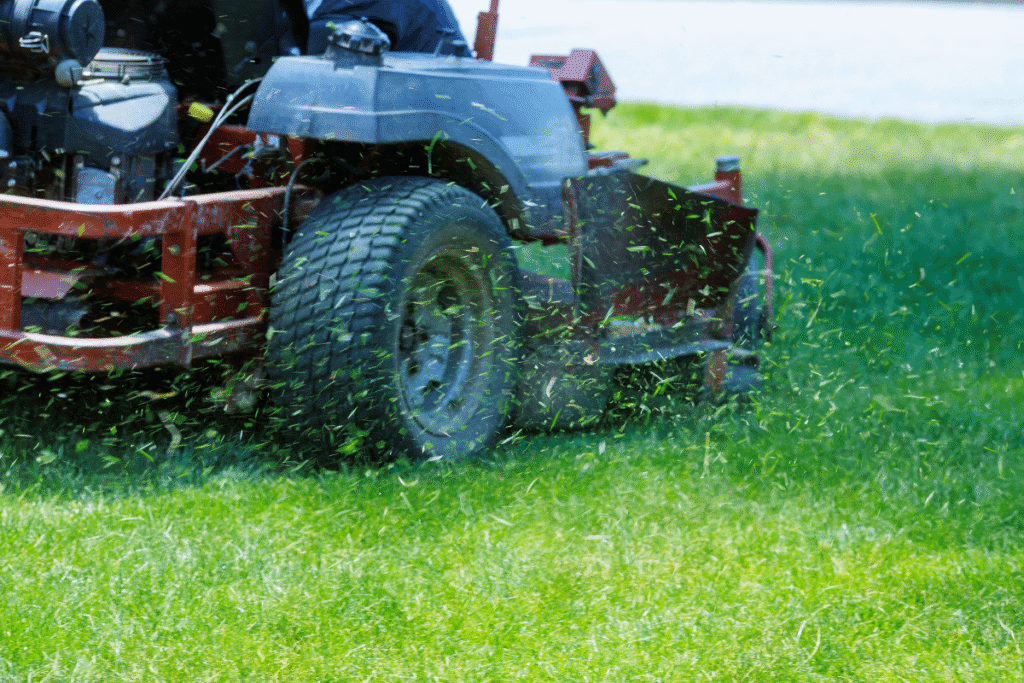
Rainy weather is common across many parts of Canada, especially during spring and early summer. After a storm passes, many homeowners look outside at their growing lawn and wonder if it is okay to mow while the grass is still wet. While it may seem harmless, mowing wet grass can affect the appearance of your lawn, damage equipment, and even create safety concerns.
Understanding when it is safe to mow and how to protect your lawn during damp conditions can help keep your yard healthy throughout the season. For more general seasonal tips, homeowners can also review these easy lawn care and home landscaping steps.
Why Wet Grass Creates Problems
Wet grass behaves differently from dry grass. The moisture causes the blades to bend over and stick together, making it harder for the mower to cut evenly. Instead of getting a clean trim, you may notice patches of uneven grass left behind.
Wet clippings also stick underneath the mower deck and gather into heavy clumps across the lawn. These clumps can block sunlight, trap moisture, and increase the risk of fungal lawn diseases.
The ground itself also becomes softer after rain. Heavy lawn mowers can leave deep tire marks or compact the soil, which affects healthy root growth.
Is It Ever Okay to Mow Wet Grass
In some cases, lightly damp grass can be mowed safely if you take proper precautions. However, soaking wet lawns should usually be avoided.
You may be able to mow if:
- Rain has stopped completely
- The lawn feels only slightly damp
- Water is not pooling on the surface
- Your shoes do not sink into the soil while walking
The best approach is usually to wait until late morning or afternoon when the sun has had enough time to dry the lawn naturally. Homeowners who are unsure about timing can also compare this with guidance on how often to mow the lawn in Canada.
Risks of Mowing Wet Grass
Uneven Cutting
Wet blades stick together, preventing the mower from cutting consistently. This leaves the lawn looking rough and untidy.
Increased Lawn Disease
Freshly cut wet grass creates ideal conditions for fungus and lawn disease. Moisture trapped under grass clumps can quickly damage healthy turf.
Mower Damage
Wet clippings stick heavily inside the mower deck and around the blades. This buildup can strain the engine and reduce mower performance over time.
Slippery Conditions
Wet lawns become slippery, especially on hills or uneven areas. This increases the chance of accidents while pushing or riding a mower.
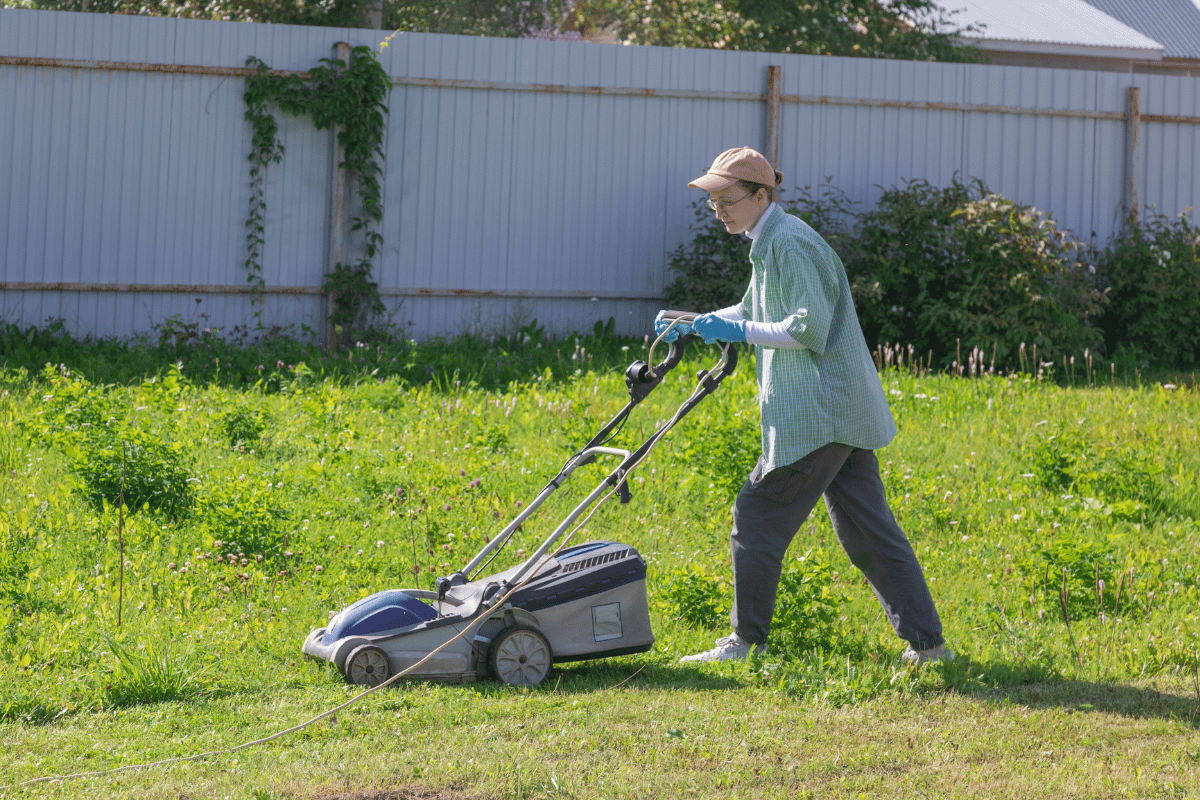
Tips for Mowing Damp Grass Safely
Sometimes homeowners cannot wait several days for the lawn to dry completely. If mowing damp grass becomes necessary, these tips can help reduce damage.
Raise the Cutting Height
Keeping the mower blade slightly higher prevents stress on wet grass and helps avoid tearing.
Use Sharp Mower Blades
Sharp blades create cleaner cuts. Dull blades often rip wet grass instead of trimming it properly.
Mow Slowly
Moving at a slower pace helps prevent clumping and allows the mower to handle moisture more effectively.
Clean the Mower Frequently
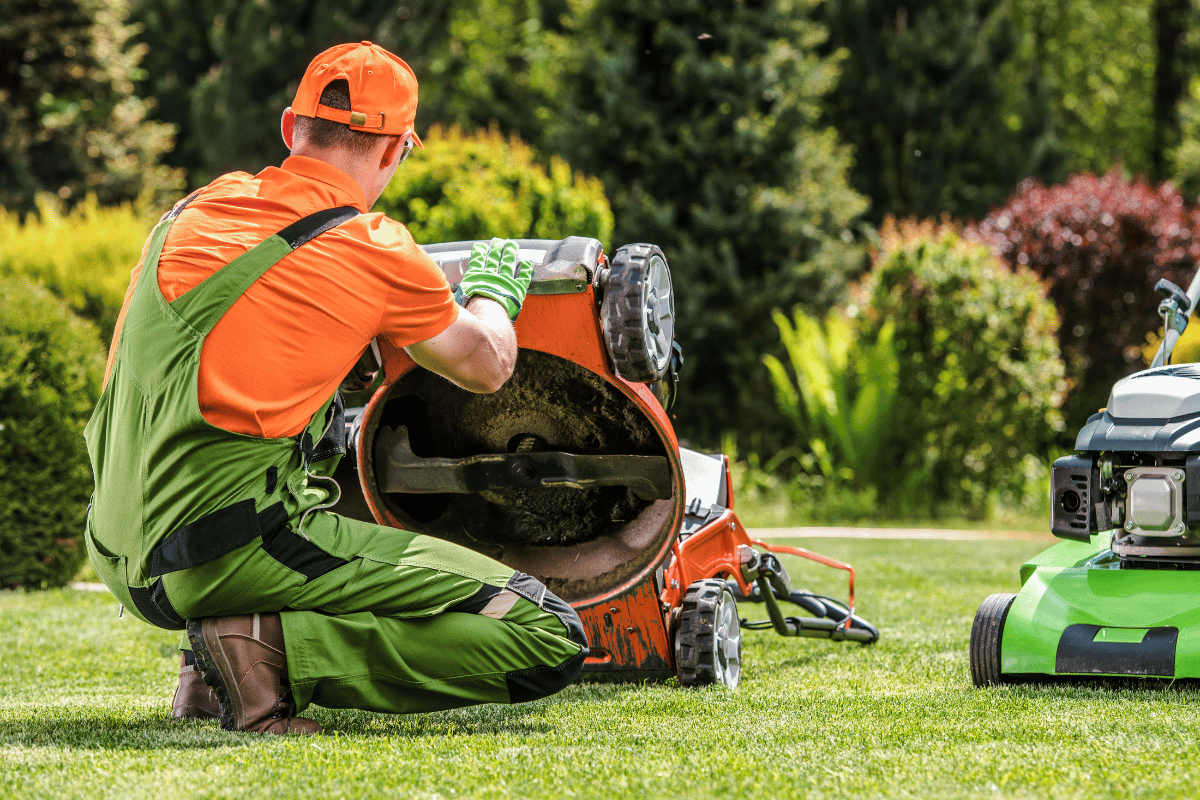
Stop occasionally to remove wet grass buildup from underneath the mower deck.
Change Mowing Direction
Changing directions while mowing can help lift flattened wet grass for a more even cut.
Many property owners who already work with a commercial lawn maintenance company in Kitchener understand that lawn care timing matters just as much as mowing itself. Professional lawn maintenance schedules are often adjusted based on rainfall and soil conditions to protect long term turf health.
What About Morning Dew
Morning dew is usually less severe than mowing immediately after rain. Still, even light moisture can cause clumping and uneven cutting.
If possible, allow the grass to dry for a few hours before mowing. Waiting until late morning often produces much cleaner results.
Signs You Should Wait Another Day
Avoid mowing if:
- The mower leaves visible ruts in the lawn
- Water sprays from the tires or blades
- Grass clumps heavily after a few passes
- The soil feels muddy underfoot
Waiting for better conditions often saves time and prevents costly lawn repairs later.
Homeowners preparing their properties year round also understand how weather affects outdoor maintenance. Companies offering snow removal in Kitchener often see similar challenges during seasonal property care, where timing and surface conditions directly impact safety and results.
Best Lawn Care Practices After Rain
Once the lawn dries properly:
- Remove fallen branches or debris first
- Sharpen mower blades regularly
- Follow the one third mowing rule
- Leave behind small dry clippings as natural nutrients
- Avoid mowing the lawn too short during hot weather
Healthy mowing habits improve root growth and help lawns recover faster from changing Canadian weather conditions. Regular upkeep also supports curb appeal, which is why many property owners value the importance of regular landscaping for shared and residential spaces.
So, can you mow the lawn when the grass is wet? Technically yes, but it is usually better to wait until the lawn dries. Wet grass creates uneven cuts, increases lawn disease risk, and can damage both your lawn and mower.

If mowing damp grass becomes necessary, using proper techniques can reduce many of the common problems. Patience and proper lawn care habits will help your yard stay greener, healthier, and easier to maintain throughout the year. For homeowners who need ongoing support, residential property care services can help keep outdoor spaces maintained through changing weather conditions.
